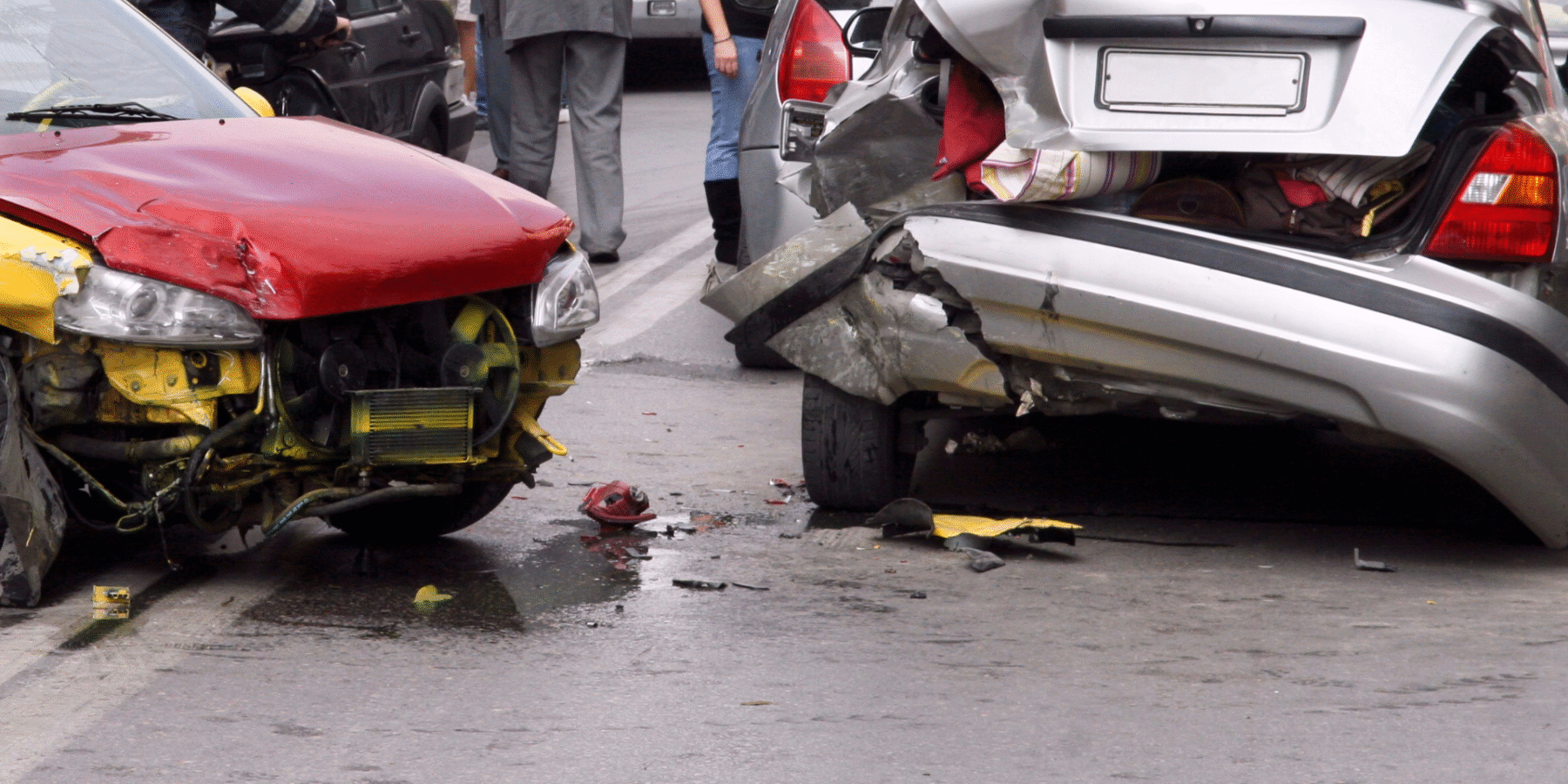
A multi-car Blythe crash left several people hurt Sunday afternoon at the intersection of Neighbors Boulevard and 15th Avenue, according to CBS News. The collision involving three vehicles occurred around 11:30 a.m., and responders found seven people impacted by the crash. Two individuals with serious injuries were airlifted by medical helicopter to hospitals, four people with minor to moderate injuries were taken by ground ambulance, and one person declined further care after evaluation. California Highway Patrol officers were called in to investigate the cause of the crash, and no arrests have been reported as the inquiry continues.
A multi-car Blythe crash highlights the serious risks drivers and passengers face at busy intersections, where a single collision can quickly involve multiple vehicles and lead to widespread injuries. When several people are hospitalized, families often confront mounting medical expenses, lost income, and uncertainty about how the crash unfolded. Multi-vehicle accidents frequently require extensive investigations to determine how the initial impact occurred and whether speed, distraction, or other factors contributed to the chain reaction. Our California car accident attorneys at the Law Offices of Larry H. Parker understand how overwhelming these situations can be and the importance of identifying all responsible parties. Our team remains committed to conducting thorough investigations and advocating for those affected by serious multi-vehicle crashes. Call us today at (310) 736-6869 to discuss your case.
Why the Right Legal Team Matters After a Multi-Car Blythe Crash
A multi-car Blythe crash can create complex legal and insurance challenges, and at Larry H. Parker, we understand how critical experienced representation becomes in these situations. When multiple vehicles are involved, determining liability often requires careful analysis of driver actions, sequencing of impacts, and contributing roadway factors. We work diligently to gather police reports, medical records, witness statements, and available video footage to build a clear and compelling account of what happened. By taking a thorough and strategic approach, we help ensure that our clients’ injuries and losses are fully documented and properly valued.
At Larry H. Parker, we recognize that insurance companies may attempt to shift blame among drivers in order to reduce their financial responsibility. We advocate aggressively on behalf of our clients and push back against efforts to minimize compensation or undervalue serious injuries. Our team carefully evaluates both economic and non-economic damages so that medical expenses, lost wages, pain, and long-term recovery needs are not overlooked. Through consistent communication and focused advocacy, we remain committed to protecting our clients’ rights and pursuing meaningful results after a serious multi-vehicle collision.

Who May Be Liable After a Multi-Car Blythe Crash
Determining liability after a multi-car Blythe crash can be significantly more complicated than in a two-vehicle collision. When several drivers are involved, responsibility may be shared, disputed, or layered across multiple parties. Each driver’s actions leading up to the crash must be evaluated carefully to understand how the chain of events unfolded. A thorough investigation ensures that all potentially responsible parties are identified and held accountable.
Negligent Drivers in a Multi-Car Blythe Crash
In many multi-vehicle collisions, one driver’s careless behavior triggers the initial impact. Speeding, distracted driving, following too closely, or running a traffic signal can set off a chain reaction involving several cars. Even if only one driver caused the first collision, other motorists may also bear responsibility for failing to react reasonably. Careful analysis of each driver’s conduct helps determine how fault should be allocated.
Rear-End Chain Reaction Collisions
Rear-end crashes often create domino-style collisions that involve multiple vehicles. A driver who fails to maintain a safe following distance may push one vehicle into another, causing widespread damage. However, subsequent drivers may also contribute if they were speeding or inattentive. Evaluating braking patterns, vehicle spacing, and reaction times helps clarify each party’s role.
Multiple Drivers Sharing Fault in a Multi-Car Blythe Crash
California follows a comparative negligence system, which allows fault to be divided among several drivers. In a multi-car Blythe crash, more than one motorist may have acted negligently. For example, one driver may have initiated the crash, while another failed to stop in time due to distraction. Assigning percentages of responsibility ensures that compensation reflects each party’s level of fault.
How Comparative Fault Affects Compensation
Under comparative negligence rules, an injured person’s recovery may be reduced by their percentage of fault. Insurance companies frequently attempt to increase a claimant’s share of responsibility to lower payouts. Strong evidence and clear documentation can help prevent unfair fault allocations. Accurate liability assessment plays a central role in determining final compensation.
Commercial Vehicle or Employer Liability
If one of the vehicles involved in the multi-car Blythe crash was operated for work purposes, an employer may share liability. Delivery drivers, trucking companies, and rideshare operators often act within the scope of employment while on the road. Employers can be held responsible for negligent driving performed during work-related duties. Identifying commercial involvement may expand available insurance coverage.
Negligent Hiring or Maintenance
Companies that fail to screen drivers properly or maintain their vehicles safely may also face liability. Poor maintenance, inadequate training, or unsafe company policies can contribute to collisions. Investigating employment records and maintenance logs may reveal additional negligence. These factors can significantly affect the overall claim.
Government Entities and Road Conditions
Hazardous roadway conditions sometimes contribute to a multi-vehicle collision. Poor signage, malfunctioning traffic signals, or dangerous intersection design may increase crash risk. If a public agency failed to correct a known hazard, liability may extend beyond the drivers involved. Claims against government entities involve specific procedural rules and shortened deadlines.
Defective Traffic Control Devices
Malfunctioning signals or obstructed signs can create confusion that leads to multiple impacts. Drivers rely on properly functioning traffic control devices to make safe decisions. When these systems fail, serious collisions may result. Investigating roadway design and maintenance records helps determine whether infrastructure played a role.
Vehicle Manufacturers and Product Defects
In some cases, mechanical failures contribute to a multi-car Blythe crash. Brake malfunctions, tire defects, or steering system failures may prevent drivers from avoiding impact. Manufacturers and distributors have a duty to ensure that vehicles and parts meet safety standards. If a defect contributed to the crash, a product liability claim may arise alongside negligence claims.
Evidence of Mechanical Failure
Vehicle inspections and expert evaluations may uncover signs of defective components. Sudden brake failure or tire blowouts can dramatically alter the sequence of events. Preserving damaged vehicles allows experts to conduct thorough testing. Identifying product defects can expand potential sources of compensation beyond the drivers alone.
How Fault Is Determined in a Multi-Car Blythe Crash
Determining fault in a multi-car Blythe crash requires a detailed and methodical investigation of how the collision unfolded. Unlike two-vehicle accidents, multi-vehicle crashes often involve chain reactions where liability may be shared among several drivers. Insurance companies, law enforcement, and legal professionals analyze evidence carefully to assign responsibility accurately. Establishing fault plays a central role in determining who must pay for injuries, property damage, and other losses.
Reviewing Police Reports and Scene Documentation
Law enforcement officers who respond to a multi-car Blythe crash typically prepare a comprehensive traffic collision report. This report may include diagrams of vehicle positions, officer observations, witness statements, and any citations issued at the scene. Although a police report does not automatically decide civil liability, insurers often rely heavily on its findings. Careful review of this documentation helps identify inconsistencies or areas requiring further investigation.
Citations and Traffic Violations
If one or more drivers receive citations for speeding, distracted driving, or failure to yield, those violations may support a negligence claim. Traffic infractions can serve as persuasive evidence that a driver breached their duty of care. However, fault does not always rest solely on the driver who received a citation. A broader evaluation of each driver’s actions remains necessary in complex, multi-vehicle scenarios.
Analyzing Physical and Digital Evidence
Physical evidence frequently provides objective insight into how a multi-car Blythe crash occurred. Skid marks, debris patterns, vehicle damage, and impact angles help reconstruct the sequence of collisions. In addition, traffic cameras, dashcams, and nearby surveillance systems may capture critical moments before and during the crash. Combining these sources creates a clearer timeline of events.
Accident Reconstruction Experts
In more complicated crashes, accident reconstruction specialists may analyze speed calculations, stopping distances, and force distribution. These experts apply engineering principles to recreate how the impacts occurred and in what order. Their findings can clarify whether a chain-reaction collision resulted from one driver’s negligence or multiple contributing factors. Expert analysis often strengthens negotiations or courtroom presentations.
Applying California’s Comparative Negligence Rules
California follows a pure comparative negligence system when assigning fault in motor vehicle accidents. Under this rule, each party may be assigned a percentage of responsibility based on their contribution to the crash. Even if a driver is partially at fault, they may still recover damages reduced by their percentage of liability. This framework makes accurate fault allocation especially important in multi-vehicle collisions.
Percentage-Based Reduction of Damages
If an injured driver is found 30 percent responsible for the multi-car Blythe crash, their compensation would be reduced by that percentage. Insurance companies often attempt to increase a claimant’s share of fault to minimize payouts. Clear documentation and persuasive evidence help prevent unfair fault assignments. Proper liability analysis directly affects the total financial recovery available.
Evaluating Driver Conduct Before the Collision
Fault determinations often focus on driver behavior in the moments leading up to the crash. Distracted driving, tailgating, unsafe lane changes, and excessive speed commonly contribute to chain-reaction accidents. Investigators assess whether drivers maintained safe following distances and reacted appropriately to traffic conditions. Each driver’s duty to operate their vehicle safely becomes a central factor in the analysis.
Considering Roadway and Environmental Factors
External factors such as poor visibility, weather conditions, or hazardous roadway design may also influence fault determinations. While drivers must adjust their behavior to account for conditions, dangerous infrastructure may shift partial responsibility to other entities. Evaluating these elements ensures that liability reflects all contributing causes. A comprehensive review strengthens the fairness and accuracy of the outcome.
Why Multi-Car Blythe Crash Claims Are More Complex
A multi-car Blythe crash often creates legal and insurance challenges that extend far beyond a typical two-vehicle accident. When several drivers and passengers are involved, determining who caused the collision becomes significantly more complicated. Each party may present a different version of events, and physical evidence may reflect multiple points of impact. As a result, resolving liability and securing fair compensation requires a more detailed and strategic approach.
Multiple Drivers and Conflicting Accounts
In a multi-vehicle collision, drivers frequently disagree about how the crash began and who bears responsibility. One motorist may blame another for stopping abruptly, while another may claim a third driver initiated the chain reaction. These conflicting statements can slow the claims process and create uncertainty for injured victims. Careful comparison of witness testimony and objective evidence becomes essential in resolving disputes.
Chain-Reaction and Secondary Impacts
Chain-reaction crashes often involve an initial collision followed by secondary impacts that cause additional injuries and damage. Determining which impact caused specific injuries can become a contested issue among insurers. Medical evaluations and accident reconstruction analysis may be necessary to clarify causation. This added layer of complexity can lengthen negotiations and increase the need for expert involvement.
Multiple Insurance Policies and Coverage Limits
A multi-car Blythe crash may involve several insurance carriers, each representing different drivers. Every insurer aims to limit financial exposure, which can result in prolonged investigations and delayed settlements. Policy limits may also vary significantly, affecting how compensation is distributed among injured parties. Coordinating claims across multiple policies requires careful documentation and negotiation.
Disputes Over Policy Priority
Insurance companies sometimes disagree about which policy should pay first or how damages should be allocated. These disputes may involve questions of primary versus secondary coverage. Resolving policy priority issues can delay compensation for injured victims. Understanding how coverage layers interact plays an important role in complex claims.
Allocation of Comparative Fault
California’s comparative negligence system allows fault to be divided among multiple parties. In a multi-car Blythe crash, insurers may attempt to assign partial blame to several drivers to reduce individual payouts. This percentage-based allocation directly impacts the total compensation available to each injured person. Thorough evidence collection helps prevent unfair fault assessments.
Strategic Blame Shifting
Insurance carriers may attempt to shift greater responsibility onto drivers with lower policy limits. This strategy can reduce the insurer’s financial obligation while increasing disputes among parties. Clear accident reconstruction findings and consistent witness accounts help counter such tactics. Accurate fault allocation remains central to achieving a fair resolution.
Increased Risk of Litigation
The complexity of multi-vehicle collisions often increases the likelihood of formal litigation. When negotiations stall due to liability disputes or policy conflicts, court intervention may become necessary. Litigation introduces additional procedural requirements, discovery phases, and expert testimony. Preparing for this possibility from the outset strengthens the overall claim.
Greater Financial Stakes
Multi-car accidents frequently involve multiple injured individuals seeking compensation simultaneously. Medical expenses, lost wages, and long-term damages can quickly exceed available policy limits. When insurance coverage proves insufficient, additional legal strategies may be required to pursue full recovery. The combination of high damages and shared liability makes these claims inherently more complex.
How Long Do You Have to File a Claim After a Multi-Car Blythe Crash
After a multi-car Blythe crash, understanding the legal deadline to file a claim is essential to protecting your right to compensation. California law imposes strict statutes of limitations that apply regardless of how many vehicles were involved. Even when liability appears clear, failing to file within the required timeframe can permanently bar recovery. Acting promptly helps preserve both legal rights and critical evidence.
California’s Statute of Limitations for Personal Injury
In most cases, individuals injured in a multi-car Blythe crash have two years from the date of the accident to file a personal injury lawsuit. This deadline generally applies to claims seeking compensation for medical expenses, lost wages, and pain and suffering. If a lawsuit is not filed within that two-year period, courts will typically dismiss the case. Timely action ensures that the claim remains legally enforceable.
Property Damage Deadlines
Claims involving vehicle damage or other personal property losses may carry a different deadline. In California, property damage claims are generally subject to a three-year statute of limitations. Coordinating injury and property claims carefully prevents procedural confusion. Clear tracking of both deadlines strengthens overall case management.
Claims Against Government Entities
If a multi-car Blythe crash involves a government vehicle or hazardous public roadway conditions, special notice requirements may apply. Injured individuals typically must file a government claim within six months of the incident. This administrative claim serves as a prerequisite to filing a lawsuit in court. Missing this shortened deadline can eliminate the right to pursue compensation against a public agency.
Administrative Claim Procedures
Government claims require detailed written notice describing the accident, injuries, and damages sought. Agencies then review the claim before allowing litigation to proceed. Strict compliance with formatting and timing requirements is essential. Early evaluation of potential government involvement helps avoid forfeiting legal remedies.
Exceptions That May Affect the Filing Deadline
Certain circumstances may extend or alter the statute of limitations in limited situations. For example, if the injured party was a minor at the time of the crash, the filing period may not begin until adulthood. Similarly, delayed discovery of certain injuries could influence when the deadline starts. Courts assess these exceptions based on specific facts rather than assumptions.
The Importance of Accurate Deadline Calculation
Multi-vehicle crashes often involve multiple injured parties, insurance carriers, and overlapping claims. Misunderstanding how deadlines apply can jeopardize recovery even in strong cases. Careful calculation of all applicable time limits helps protect the ability to pursue full compensation. Maintaining organized documentation and acting without unnecessary delay strengthens the claim’s viability.
Why Acting Early Matters
Although the statute of limitations sets the outer boundary for filing, waiting too long can weaken a multi-car Blythe crash claim. Witness memories may fade, surveillance footage may be erased, and vehicles may be repaired or disposed of. Early action allows for thorough investigation and stronger evidence preservation. Taking prompt steps supports a more effective and efficient path toward financial recovery.

How Personal Injury Attorneys in Riverside County Support Car Crash Victims
Car crashes in Riverside County often leave victims facing painful injuries, financial pressure, and uncertainty about the legal process ahead. Medical appointments, insurance calls, and missed workdays can quickly create overwhelming stress for injured individuals and their families. During this difficult period, personal injury attorneys provide guidance that helps victims protect their rights while avoiding costly procedural mistakes. Legal representation brings structure, organization, and strategic direction to what can otherwise feel confusing and unpredictable. With knowledgeable support, crash victims can focus on medical recovery while their legal and financial interests remain protected.
Conducting a Comprehensive Case Evaluation
A thorough case evaluation serves as the foundation of a strong personal injury claim. Attorneys carefully review police reports, medical documentation, crash scene photographs, and witness statements to understand how the collision occurred. This detailed analysis clarifies the sequence of events and identifies any violations of California traffic laws. Early evaluation also helps determine the potential value of the claim and the best course of action moving forward.
Reviewing Evidence From the Scene
Physical and digital evidence often plays a critical role in establishing liability. Attorneys may examine vehicle damage patterns, skid marks, traffic camera footage, and nearby surveillance recordings. Prompt collection of this evidence helps prevent the loss of important details. A well-documented record strengthens negotiations with insurance companies.
Identifying All Sources of Liability
Car crashes sometimes involve more than one negligent party. Attorneys evaluate whether additional drivers, commercial employers, vehicle manufacturers, or even government entities may share responsibility. Expanding the scope of liability can increase available insurance coverage and overall compensation. A strategic review of all contributing factors ensures that no responsible party escapes accountability.
Managing Insurance Company Communications
Insurance companies often contact crash victims quickly after an accident. Although adjusters may appear cooperative, their primary objective typically involves limiting financial exposure for the insurer. Personal injury attorneys manage communications carefully to prevent misstatements, recorded admissions, or rushed settlements. This protective approach reduces the risk of accepting compensation that fails to reflect the true extent of the harm.
Preparing Clients for Recorded Statements
Insurers frequently request recorded statements early in the claims process. Attorneys help clients understand which questions require careful responses and which issues may involve legal implications. Thoughtful preparation promotes accuracy and consistency in communication. This guidance helps prevent misunderstandings that insurers could later use to dispute liability.
Reviewing Settlement Offers Carefully
Initial settlement offers rarely account for long-term recovery needs or future financial consequences. Attorneys compare proposed amounts against documented damages and projected expenses supported by medical evidence. If an offer appears insufficient, they negotiate assertively for fairer compensation. Careful review prevents premature agreements that could limit future recovery.
Calculating the Full Scope of Damages
Car crash injuries often create both economic and non-economic losses that extend far beyond immediate medical bills. Attorneys calculate hospital costs, rehabilitation expenses, prescription medications, and lost wages with precision. They also evaluate diminished earning capacity when injuries prevent a return to prior employment. A comprehensive damages assessment ensures that financial recovery reflects the true impact of the accident.
Accounting for Future Medical and Financial Needs
Some injuries require long-term therapy, surgical intervention, or adaptive equipment. Attorneys may consult medical professionals and financial experts to project future treatment costs and related expenses. Including anticipated needs in the claim prevents unexpected financial hardship later. Forward-looking evaluation strengthens both settlement negotiations and courtroom presentations.
Valuing Pain and Emotional Distress
Non-economic damages often represent a significant component of a car crash claim. Attorneys document how injuries affect daily life, personal relationships, and overall well-being. Testimony, medical reports, and personal impact statements help illustrate these losses. Careful presentation supports fair consideration of emotional and physical suffering.
Preparing for Litigation When Necessary
Although many Riverside County car crash claims resolve through negotiation, some disputes require formal litigation. Attorneys prepare legal filings, conduct discovery, and gather admissible evidence to present a persuasive case. Thorough preparation demonstrates readiness and often encourages more reasonable settlement discussions. If trial becomes necessary, experienced advocacy ensures that the injured victim’s story is presented clearly and effectively before a judge or jury.
Navigating Court Procedures and Deadlines
Litigation involves strict procedural rules and statutory deadlines that must be followed precisely. Attorneys manage court filings, respond to defense motions, and coordinate expert testimony in accordance with California law. Careful attention to procedural detail protects the integrity of the claim. Structured case management improves efficiency and reduces unnecessary delays.
Contact a Legal Advocate Skilled at Handling Multi-Car Blythe Crash Claims Today
After a serious multi-car Blythe crash, having experienced legal guidance can make a meaningful difference in how your claim progresses and ultimately resolves. At Larry H. Parker, we understand that multi-vehicle collisions often involve competing insurance carriers, conflicting statements, and complex liability determinations. We take a proactive approach by conducting detailed investigations, coordinating with medical providers, and carefully documenting every category of loss our clients experience. Our team works diligently to reduce stress for injured individuals and their families while building strong, evidence-based claims.
At Larry H. Parker, we’re committed to standing up for those hurt in multi-vehicle accidents and holding negligent parties accountable. We negotiate strategically with insurers and prepare every case as though it may proceed to litigation, which strengthens our position during settlement discussions. Our focus remains on securing compensation that reflects the full scope of medical costs, lost income, pain and suffering, and long-term recovery needs. We also prioritize keeping our clients informed at every stage so they understand their options and feel confident in the direction of their case. If you or someone you love has been injured in a multi-car Blythe crash, call us today at (310) 736-6869 or fill out our online form to discuss your case.
Contact usfor a free consultation.
Phone: (310) 736-6869