
A serious multi-vehicle Ontario crash on the 10 Freeway resulted in multiple casualties and significant traffic delays, as reported by NBC Los Angeles. Authorities confirmed that at least two people died and others were transported to nearby hospitals following the collision. The crash involved several vehicles and led to major disruptions as emergency crews responded and cleared the scene. Investigators worked to determine what caused the chain-reaction crash while traffic backed up across surrounding areas. Officials continue reviewing evidence to understand the sequence of events that led to this devastating incident.
Crashes involving multiple vehicles often create complex situations for victims who must deal with injuries, insurance claims, and uncertainty about liability. At Larry H. Parker, we understand how overwhelming a multi-vehicle Ontario crash can feel when you are trying to recover while managing financial and legal challenges. We work closely with our clients to help them understand their rights and pursue compensation for their losses. Our team remains committed to providing clear guidance and strong advocacy throughout every stage of the process. If you or a loved one has been affected by a serious accident, call us today at (866) 578-8031 to discuss your case and learn how we can help.

Why Legal Support Matters After a Multi-Vehicle Ontario Crash
At Larry H. Parker, we understand that a multi-vehicle Ontario crash often involves multiple parties, conflicting accounts, and complex liability issues that require careful investigation. We review accident reports, gather evidence, and analyze how each vehicle contributed to the collision. Our team builds strong claims that clearly establish fault while protecting our clients’ rights throughout the legal process. We challenge attempts by insurance companies to shift blame or minimize payouts. Through this approach, we help position our clients for stronger outcomes.
We also recognize that multi-vehicle crashes often result in serious injuries, long-term medical care, and financial strain that can affect daily life. We guide our clients through each step while helping them make informed decisions about their case. Our team evaluates medical records, lost income, and long-term impacts to ensure nothing gets overlooked. We pursue compensation that reflects both immediate and future needs. With our support, clients can focus on recovery while we handle the legal complexities.

Steps to Take After a Multi-Vehicle Ontario Crash
Taking the right steps after a multi-vehicle Ontario crash can significantly impact both your recovery and your ability to pursue compensation. These accidents often involve multiple drivers, serious injuries, and chaotic scenes that make it difficult to know what to do next. Acting quickly and carefully helps protect your health while preserving important evidence that may determine how liability is assigned. Each decision you make in the moments and days after the crash can influence the strength of your claim. A proactive and informed approach creates a stronger foundation moving forward.
In addition, multi-vehicle crashes often lead to conflicting accounts and complex insurance disputes, which makes early documentation especially important. Vehicles may be moved, debris may be cleared, and road conditions may change within hours of the incident. Witnesses may also become harder to locate as time passes. Taking immediate and organized action helps ensure that key details remain preserved and usable. This process supports both your physical recovery and your ability to build a strong legal case.
Prioritizing Safety at the Scene
Your immediate safety and the safety of others should come first after a crash. Multi-vehicle accidents can create dangerous conditions, especially on busy roadways like the 10 Freeway. Taking steps to reduce further risk helps prevent additional injuries. Staying aware of your surroundings remains critical in these situations.
Moving to a Safe Location
If possible, you should move your vehicle or yourself to a safer area away from traffic. Remaining in active lanes can increase the risk of secondary collisions. Emergency responders may also need space to access the scene. Prioritizing safety helps stabilize the situation. This step protects everyone involved.
Checking for Injuries
You should assess yourself and others for visible injuries as soon as possible. Even if injuries appear minor, you should remain cautious and avoid sudden movements. Some injuries may not be immediately obvious. Notifying emergency responders ensures proper evaluation. Quick assessment supports better outcomes.
Seeking Immediate Medical Attention
You should prioritize medical care immediately after a crash, even if injuries seem minor at first. Some injuries may not show symptoms right away but can worsen over time or lead to complications. Prompt evaluation helps ensure proper diagnosis and treatment while creating a medical record that connects injuries to the crash. This documentation plays a critical role in any legal claim. Early care protects both your health and your case.
Documenting Injuries and Treatment
Medical providers create records that detail your injuries, treatment plans, and recovery progress. These records help establish a direct link between the crash and your condition. Keeping copies of all medical documentation strengthens your claim and supports compensation. Following treatment recommendations also shows consistency. Accurate records remain essential.
Monitoring Delayed Symptoms
Some injuries, such as concussions, internal bleeding, or soft tissue damage, may appear hours or days later. You should monitor your condition closely and seek follow-up care if new symptoms develop. Delayed treatment can affect both recovery and your claim. Documenting all symptoms ensures nothing gets overlooked. Ongoing care supports long-term health.
Reporting the Crash and Cooperating With Authorities
Reporting the crash ensures that an official record exists, which can play a key role in determining liability. Law enforcement officers document the scene, collect statements, and prepare reports that may be used later. Providing accurate information helps support the investigation. This step creates a formal record of the incident.
Providing Accurate Statements
You should provide clear and factual information to law enforcement without speculating about fault. Sticking to what you observed helps prevent misunderstandings. Inaccurate or inconsistent statements can affect your claim. Keeping responses straightforward supports credibility. Accuracy remains important.
Obtaining the Police Report
You should request a copy of the police report once it becomes available. This document contains important details about the crash, including diagrams and officer observations. Reviewing the report helps you understand how the incident was documented. This information supports your case. It serves as key evidence.
Gathering Evidence at the Scene
Collecting evidence immediately after the crash helps preserve critical details that may not be available later. Multi-vehicle accidents often involve multiple perspectives, which makes clear and thorough documentation essential. Taking control of this step strengthens your position. Early evidence provides valuable support in determining liability.
Taking Photos and Videos
You should capture images of vehicle damage, road conditions, traffic patterns, skid marks, and any visible injuries. These visuals help demonstrate how the crash occurred and how vehicles interacted. Evidence collected at the scene remains highly reliable. Clear documentation supports liability arguments. Strong visuals make a difference.
Collecting Driver and Witness Information
You should gather names, contact details, and insurance information from all drivers involved in the crash. Witnesses can provide valuable independent accounts that clarify how the accident occurred. Collecting this information early allows for follow-up if needed. Witness testimony adds credibility to your claim. Early collection improves accuracy.
Preserving Evidence After Leaving the Scene
Your responsibilities do not end once you leave the crash site. Preserving evidence in the days following the accident helps strengthen your case. Maintaining records and avoiding actions that could weaken your claim remains important. Organization plays a key role during this stage.
Keeping Medical and Expense Records
You should keep detailed records of all medical visits, treatments, and related expenses. This includes receipts, prescriptions, and billing statements. These documents help calculate damages and support compensation claims. Organized records improve accuracy. This step remains essential.
Avoiding Statements That Could Harm Your Claim
You should avoid discussing the crash in detail with insurance companies or posting about it publicly. Statements made without full context can be used against you later. Limiting communication helps protect your position. Careful handling of information supports your case. Discretion remains important.
Taking Early Legal Action
Seeking legal guidance early can help you navigate the complexities of a multi-vehicle Ontario crash more effectively. These cases often involve multiple parties and insurance carriers, which can create confusion without proper direction. Early action helps preserve evidence and build a stronger claim. This step provides clarity and structure moving forward.
Understanding Your Legal Options
You should take time to understand your rights and the potential paths available for your case. This includes evaluating liability, damages, and possible outcomes. Having a clear understanding helps you make informed decisions. Knowledge supports better results. This step strengthens your position.
Building a Strong Foundation for Your Case
Early preparation allows you to gather evidence, organize documentation, and develop a clear strategy. This foundation helps support negotiations and legal proceedings. Taking action early improves your ability to respond to challenges. A strong start leads to better outcomes. Preparation remains key.

Compensation Available After a Multi-Vehicle Ontario Crash
Victims of a multi-vehicle Ontario crash may pursue compensation for a wide range of losses that result from the accident. These damages often include both financial costs and personal impacts that affect daily life and long-term well-being. Multi-vehicle crashes frequently cause serious injuries, which makes a full evaluation of damages essential. Understanding available compensation helps victims make informed decisions about their claims. A thorough approach ensures that all losses receive proper consideration.
In addition, compensation should address both immediate expenses and future needs related to recovery. Some damages involve clear financial costs, while others require a deeper evaluation of how injuries affect quality of life. Proper documentation supports these claims and strengthens the case. A comprehensive assessment helps maximize potential recovery. This approach leads to more complete outcomes.
Economic Damages
Economic damages include measurable financial losses caused by the crash. These costs often begin immediately and may continue throughout recovery. Accurate documentation helps support these claims. These damages form a key part of compensation.
Medical Expenses and Treatment Costs
Medical expenses may include emergency care, hospital stays, surgeries, and rehabilitation. Serious injuries often require long-term treatment. These costs can increase over time as additional care becomes necessary. Keeping detailed records ensures accuracy. This supports a stronger claim.
Lost Wages and Future Earnings
Injuries may prevent victims from working temporarily or permanently. Lost income can create financial strain and uncertainty. Some individuals may experience reduced earning capacity due to long-term effects. Evaluating these losses requires careful analysis. This step remains essential.
Non-Economic Damages
Non-economic damages address the personal impact of the crash beyond financial losses. These damages reflect how injuries affect daily life and emotional well-being. Including these factors creates a more complete claim. This ensures full consideration of losses.
Pain and Physical Limitations
Victims may experience ongoing pain that affects mobility and independence. These limitations can interfere with daily activities and quality of life. Evaluating these effects helps determine appropriate compensation. This factor plays a significant role. Documentation strengthens the claim.
Emotional and Psychological Effects
Multi-vehicle crashes can cause stress, anxiety, and emotional trauma. These effects may interfere with relationships and daily routines. Addressing these impacts helps present a complete case. This information supports compensation. It adds depth to the claim.

How Insurance Companies Handle a Multi-Vehicle Ontario Crash Claim
Insurance companies play a central role in handling a multi-vehicle Ontario crash claim, often focusing on minimizing payouts while managing complex liability issues. Adjusters review evidence, statements, and medical records to determine how responsibility should be divided. Their goal typically involves reducing financial exposure rather than fully addressing the victim’s losses. Understanding how insurers operate helps victims prepare for the process. Awareness supports better decision-making.
In addition, multi-vehicle crashes often involve multiple insurance carriers, which can complicate the claims process. Each insurer may attempt to shift responsibility to another party. This can create delays and confusion for victims seeking compensation. Being prepared for these challenges helps protect your claim. Strong documentation and organization remain essential.
Coordinating Multiple Insurance Claims
Multi-vehicle crashes often involve several insurance companies that must each evaluate the claim. This process requires careful coordination to ensure that all parties remain accountable. Managing multiple claims can become complex without proper organization. Clear communication helps prevent delays.
Handling Conflicting Liability Claims
Insurance companies may disagree about which party caused the crash. These disputes can delay the claims process and affect compensation. Providing strong evidence helps resolve these conflicts. Establishing clear liability remains essential. This strengthens the case.
Managing Communication Across Insurers
Victims must often communicate with multiple adjusters and representatives. Each insurer may request different information or documentation. Staying organized helps manage these interactions effectively. Clear communication improves efficiency. This step supports progress.
Common Insurance Tactics
Insurance companies often use strategies designed to reduce payouts and limit responsibility. Understanding these tactics helps victims respond effectively and protect their claims. Preparation plays a key role in navigating these challenges. Awareness helps avoid common mistakes.
Disputing Liability
Insurers may argue that another driver caused the crash or that the victim shares responsibility. This tactic reduces potential compensation. Strong evidence helps counter these claims. Establishing liability remains critical. This strengthens the claim.
Minimizing Injury Claims
Insurance companies may question the severity of injuries or the necessity of treatment. This approach can lead to lower settlement offers. Detailed medical documentation helps support your claim. Consistent treatment records improve credibility. This ensures fair evaluation.
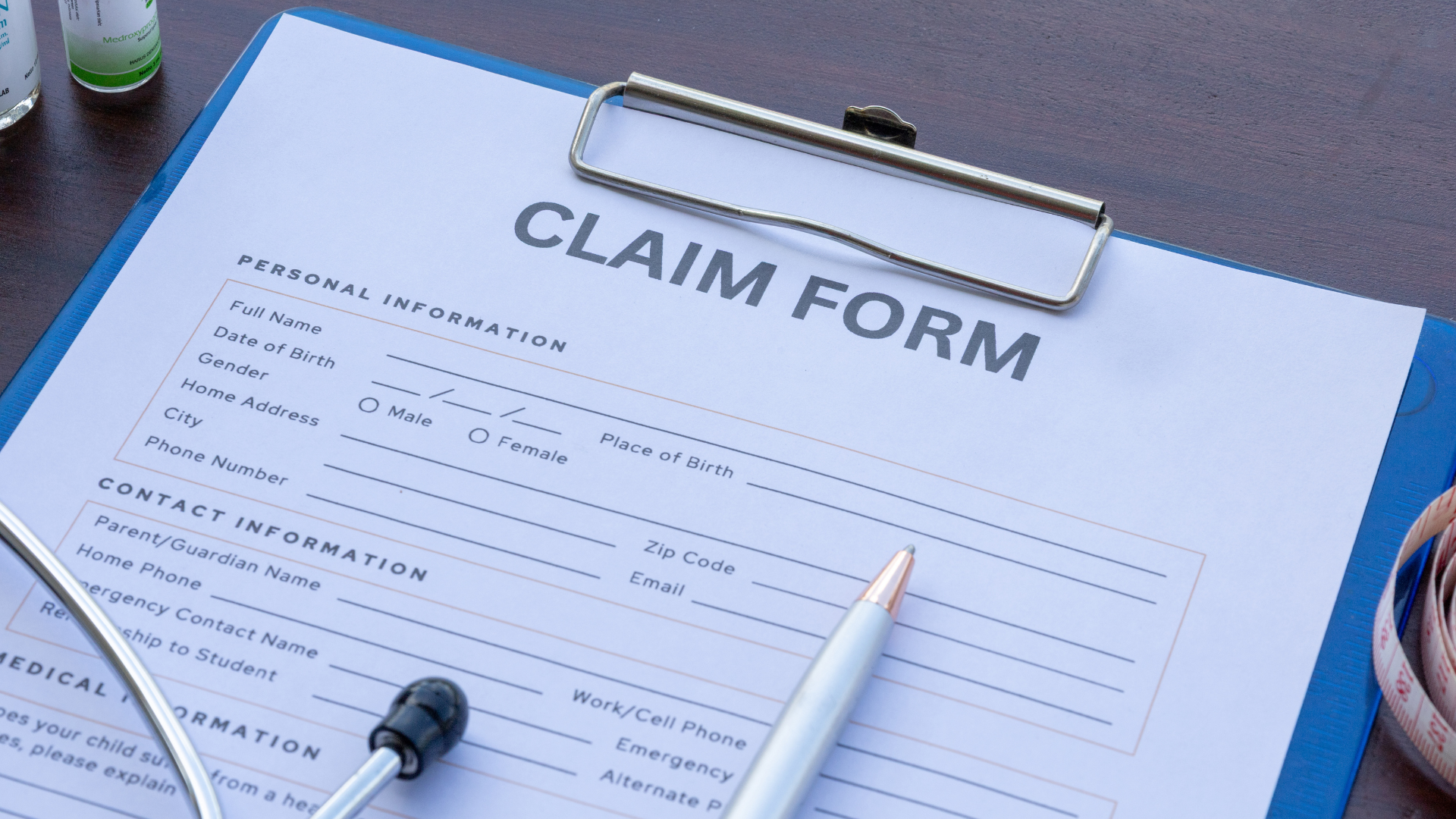
How Long You Have to File a Claim After a Multi-Vehicle Ontario Crash
After a multi-vehicle Ontario crash, understanding how much time you have to file a claim plays a critical role in protecting your right to compensation. California law sets strict deadlines, known as statutes of limitations, that determine how long you have to take legal action. Missing these deadlines can prevent you from recovering damages, regardless of how strong your case may be. Acting within the required timeframe ensures that your claim remains valid and can move forward. Taking early action also helps preserve evidence and strengthen your case.
In addition, multi-vehicle crashes often involve complex liability issues that require more time to investigate and build properly. Delays can make it harder to gather witness statements, secure documentation, and analyze the sequence of events. Starting the process early allows for a more thorough and organized approach. Understanding these timelines helps you avoid unnecessary risks. Staying proactive improves your chances of a successful outcome.
California Statute of Limitations for Injury Claims
California law generally allows a limited period to file a personal injury claim after a car accident. This deadline typically begins on the date of the crash. Filing within this window is essential to preserving your legal rights. Knowing the timeline helps you plan your next steps.
Two-Year Deadline for Personal Injury Claims
In most cases, individuals have two years from the date of a multi-vehicle Ontario crash to file a personal injury lawsuit. This timeframe applies to claims involving physical injuries caused by the accident. Filing after this period may result in the court dismissing the case. Acting early helps ensure compliance with this requirement. This deadline remains critical.
Three-Year Deadline for Property Damage Claims
Claims involving vehicle damage or other property losses typically allow up to three years from the date of the crash. This timeframe differs from personal injury claims and applies specifically to property-related damages. Keeping track of both deadlines helps ensure that all aspects of your case remain protected. Understanding these differences is important. Proper timing supports your claim.
Exceptions That May Affect Filing Deadlines
Certain situations may change the standard filing deadlines depending on the details of the case. These exceptions can shorten or extend the time available to file a claim. Understanding these factors helps prevent unexpected issues. Each case may involve unique circumstances.
Claims Involving Government Entities
If a government agency or public vehicle played a role in the crash, different rules may apply. These claims often require filing a notice within a much shorter timeframe, sometimes within six months. Failing to meet this deadline can limit your ability to pursue compensation. Awareness of this requirement remains essential. This step requires prompt action.
Delayed Discovery of Injuries
In some cases, injuries may not become apparent immediately after the crash. The timeline for filing may adjust based on when the injury was discovered. This exception applies in specific circumstances and requires careful evaluation. Understanding how this rule applies helps protect your claim. Proper documentation supports this process.
Why Acting Quickly Matters
Although the law provides a set timeframe, waiting too long can weaken your case even if you file within the deadline. Evidence may become harder to obtain, and witness memories may fade over time. Taking early action helps preserve important details and supports a stronger claim. Timing plays a key role in building an effective case.
Preserving Evidence and Documentation
Early action allows you to gather photographs, reports, and witness statements while they remain fresh and accurate. This evidence helps establish liability and supports your claim. Delays can result in lost or incomplete information. Acting quickly strengthens your position. This step remains essential.
Strengthening Your Legal Strategy
Starting early gives you more time to evaluate your case, organize documentation, and develop a clear strategy. This preparation helps address challenges and respond effectively to insurance companies. A well-prepared case improves the likelihood of a favorable outcome. Early planning supports better results. Timing remains critical.

How California Car Accident Attorneys Support Victims in the Inland Empire
After a multi-vehicle Ontario crash, victims across the Inland Empire often face serious injuries, financial stress, and uncertainty about how to move forward. California car accident attorneys provide critical support by guiding victims through the legal process while protecting their rights at every stage. These cases frequently involve multiple drivers, conflicting accounts, and insurance companies that attempt to reduce payouts. Attorneys step in quickly to investigate the crash and build a strong claim based on the available evidence. This support allows victims to focus on recovery while their legal matters move forward efficiently.
In addition, Inland Empire crashes often involve complex liability issues that require a detailed and strategic approach. Attorneys evaluate every aspect of the accident to ensure that no contributing factor gets overlooked. They develop case strategies that reflect both immediate damages and long-term impacts on victims’ lives. This comprehensive approach strengthens claims and improves the chances of a favorable outcome. With proper legal support, victims gain clarity and confidence during a difficult time.
Conducting a Detailed Multi-Vehicle Crash Investigation
Attorneys begin by investigating how the multi-vehicle Ontario crash occurred and identifying all contributing factors. They gather evidence, review reports, and analyze the sequence of events to establish a clear timeline. This process helps determine liability and supports a strong claim. Early investigation helps preserve critical evidence before it disappears. A well-prepared case starts with accurate information.
Reviewing Police Reports and Scene Evidence
Police reports provide important details about the crash, including statements from drivers and observations from responding officers. Attorneys examine these reports alongside photographs, vehicle damage, and roadway conditions. This combination helps reconstruct how the crash unfolded. Identifying key details strengthens the claim. Proper documentation plays a critical role.
Identifying Multiple Liable Parties
Multi-vehicle crashes often involve more than one at-fault driver. Attorneys evaluate each party’s actions to determine how they contributed to the collision. This process ensures that all responsible parties are identified. Holding multiple parties accountable may increase available compensation. Careful analysis remains essential.
Establishing Liability in Complex Cases
Attorneys focus on proving fault in situations where multiple drivers and factors contribute to the crash. They build cases that clearly show how negligence caused or contributed to the accident. Establishing liability becomes more complex in multi-vehicle cases, which makes strong evidence essential. This step plays a central role in pursuing compensation.
Proving Driver Negligence
Attorneys analyze behaviors such as speeding, distracted driving, or unsafe lane changes. These actions often trigger chain-reaction crashes on busy roadways. Evidence such as witness statements and accident reports supports these claims. Demonstrating negligence strengthens the case. This step remains critical.
Addressing Comparative Fault
California follows a comparative fault system, which allows responsibility to be shared among multiple parties. Attorneys evaluate how fault may be divided and how that affects compensation. This analysis helps ensure that liability is assigned fairly. Understanding this concept supports better case strategy. Accurate evaluation matters.
Managing Insurance Claims Across Multiple Parties
Attorneys handle communication with multiple insurance companies to protect victims from conflicting claims and unfair tactics. Multi-vehicle crashes often involve several insurers, each attempting to limit responsibility. Legal representation helps ensure that claims receive proper attention and fair evaluation. This support reduces stress during recovery.
Coordinating Claims With Multiple Insurers
Attorneys manage interactions with different insurance carriers involved in the crash. They ensure that each claim receives proper documentation and follow-up. This coordination helps prevent delays and confusion. Organized communication strengthens the case. Efficiency plays a key role.
Negotiating Fair Compensation
Attorneys evaluate the full value of the claim before entering settlement discussions. They present evidence that supports compensation for medical expenses, lost income, and long-term impacts. Strong negotiation strategies help secure better outcomes. Attorneys push for settlements that reflect the true extent of damages. This approach improves results.
Calculating the Full Scope of Damages
Attorneys assess all damages to ensure that compensation reflects both immediate and long-term losses. Multi-vehicle crashes often result in serious injuries that require extensive care. A complete evaluation helps build a stronger claim. This step ensures that nothing gets overlooked.
Assessing Medical Costs and Future Care Needs
Attorneys review medical records, treatment plans, and future care requirements to calculate expenses accurately. Serious injuries may require long-term rehabilitation or additional procedures. These costs must be included in the claim. Proper evaluation supports fair compensation. Accuracy remains essential.
Evaluating Pain and Life Impact
Attorneys assess how injuries affect daily life, mobility, and overall well-being. These non-economic damages play a significant role in the claim. Documenting these effects strengthens the case. This ensures that all losses receive proper consideration. A complete claim reflects the full impact.
Providing Ongoing Support Throughout the Process
Attorneys guide clients through each stage of the legal process while providing consistent communication and support. They explain legal steps, answer questions, and keep clients informed about case progress. This guidance helps reduce uncertainty during a difficult time. Ongoing support plays a key role in recovery.
Keeping Clients Informed and Prepared
Attorneys provide regular updates and explain developments clearly so clients understand what to expect. This approach helps individuals make informed decisions. Transparency builds trust throughout the process. Staying informed helps clients feel more in control. Clear communication remains essential.
Allowing Victims to Focus on Recovery
Attorneys handle legal responsibilities such as paperwork, deadlines, and negotiations so clients can focus on healing. This support reduces stress and allows victims to prioritize their health. Managing the legal process efficiently helps move the case forward. Clients benefit from dedicated representation. This approach supports better outcomes.

Contact an Experienced Ontario Car Crash Lawyer Today
Taking action after a serious crash can make a meaningful difference in protecting your health, financial stability, and future. At Larry H. Parker, we carefully evaluate your case and identify the strongest path forward based on the specific circumstances involved. We focus on building a claim that reflects the full impact of your injuries while keeping you informed throughout the process. Our team remains dedicated to advocating for your best interests from start to finish. This approach helps ensure you feel supported and prepared at every stage.
We understand how important it is to act quickly while evidence remains available and witness accounts stay accurate. Our firm handles communication with insurance companies and works to strengthen your claim at every step. We remain committed to pursuing maximum compensation while providing consistent guidance throughout the process. With our experience and dedication, we help position our clients for the best possible outcome. Call us today at (866) 578-8031 or reach out online to schedule a consultation and take the next step forward.
Contact usfor a free consultation.
Phone: (310) 736-6869