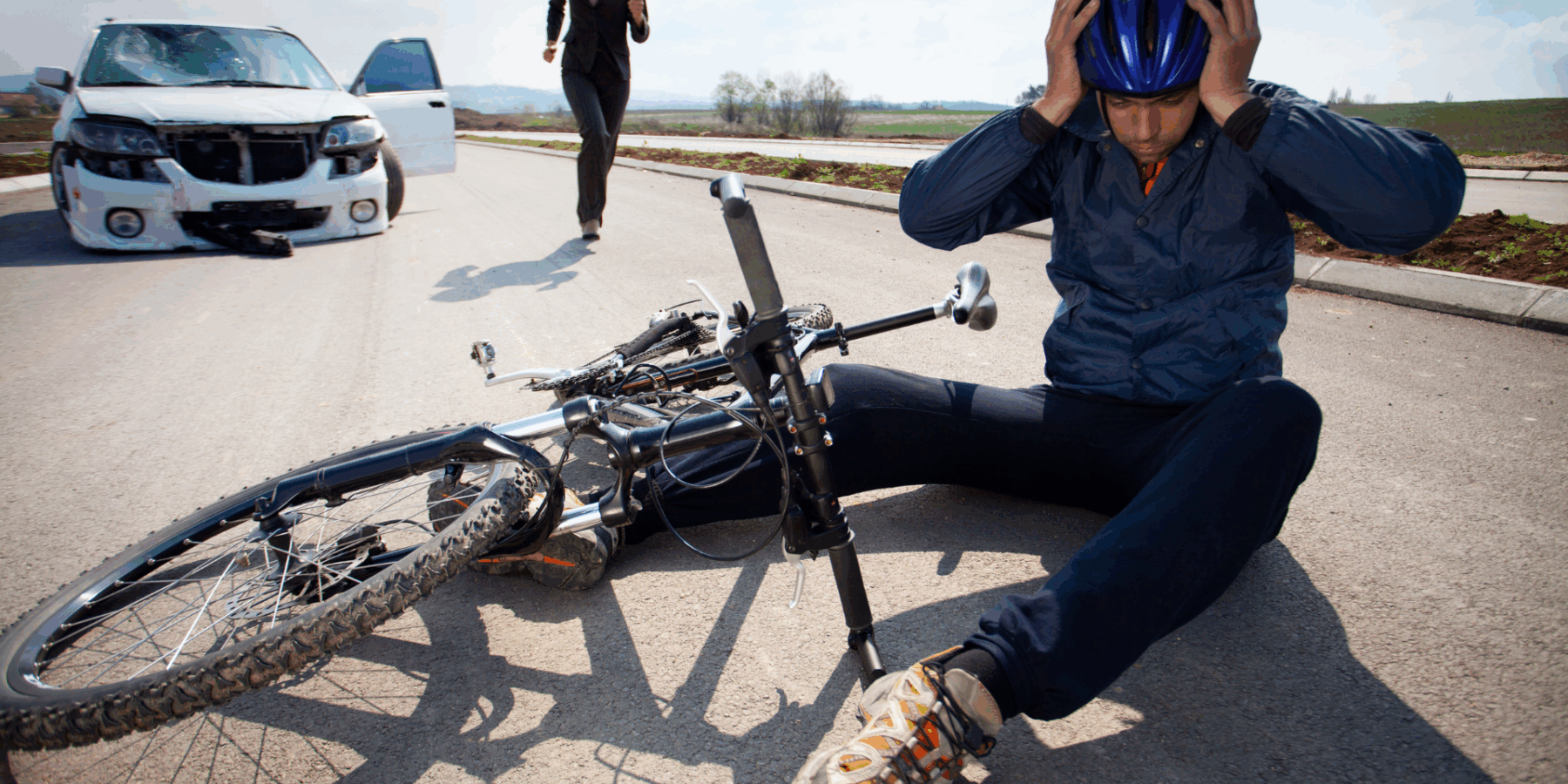
A woman riding her bicycle was killed in a collision in Woodcrest morning, according to MyNewsLA. Riverside County sheriff’s deputies reported the crash occurred just after 9:30 a.m. near the intersection of Woodcrest Avenue and Thornwood Drive, where the bicyclist was struck by a vehicle under circumstances that remain under investigation. Emergency responders arrived quickly and rendered aid, but the woman was pronounced dead at the scene, authorities said. Traffic in the area was impacted as deputies conducted their investigation and cleared the roadway, and officials have not yet released additional details on factors that may have contributed to the crash.
This fatal Woodcrest bicycle crash underscores how vulnerable cyclists are when sharing the roadway with motor vehicles, even during daytime hours and in residential areas. When a bicyclist is struck by a vehicle, the lack of physical protection often leads to catastrophic or fatal injuries, leaving families grappling with sudden loss and painful questions about how the crash occurred and whether it could have been prevented. In the aftermath of a deadly bicycle accident, loved ones may face overwhelming grief, funeral expenses, and uncertainty while investigators work to determine fault. The bicycle accident attorneys at the Law Offices of Larry H. Parker understand the devastating impact these tragedies have on families and the complexities involved in fatal crash investigations. Our team is committed to helping families seek answers, accountability, and justice during an incredibly difficult time. Call us today at (866) 578-8031 to discuss your case.
Why Legal Support Is Key After a Woodcrest Bicycle Accident
After a Woodcrest bicycle accident, having experienced legal guidance can make a critical difference, and at Larry H. Parker, we understand how overwhelming these situations can be for injured cyclists and grieving families. Bicycle accidents often involve serious injuries, disputed liability, and insurance companies that move quickly to protect their own interests. We work closely with our clients to investigate how the crash occurred, identify all responsible parties, and ensure that important evidence is preserved early. Our goal is to provide clarity and support during a time filled with uncertainty and emotional strain.
At Larry H. Parker, we also recognize that the consequences of a Woodcrest bicycle accident can extend far beyond the immediate physical injuries. Victims and families may face mounting medical bills, lost income, and long-term impacts that affect daily life and financial stability. We advocate for our clients by carefully evaluating the full scope of their losses and addressing insurance challenges head-on. Through clear communication and dedicated representation, we help injured cyclists and their families pursue accountability and meaningful recovery while navigating the legal process with confidence.
Injuries Frequently Seen After a Woodcrest Bicycle Accident
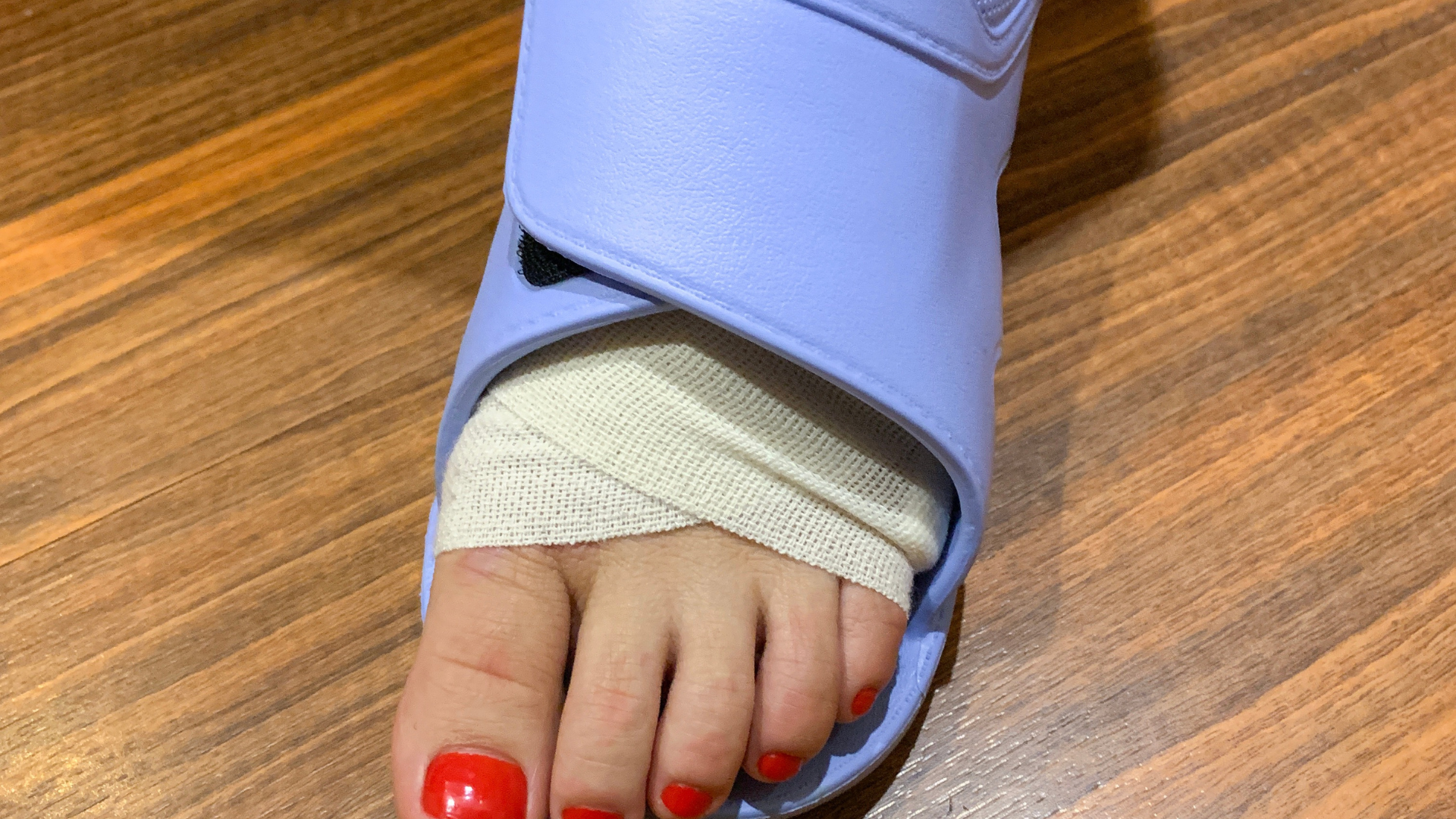
A Woodcrest bicycle accident can result in serious and sometimes life-altering injuries due to the limited protection cyclists have when sharing the road with motor vehicles. Even at lower speeds, a collision can throw a bicyclist onto the pavement or into another object, significantly increasing the risk of severe harm. Many injuries sustained in bicycle crashes require immediate medical attention and may involve long recovery periods or permanent limitations. Understanding the types of injuries commonly associated with these accidents helps illustrate the seriousness of the risks cyclists face.
Head and Brain Injuries
Head injuries are among the most dangerous outcomes of bicycle accidents, even when a helmet is worn. The force of impact can cause trauma that affects cognitive, emotional, and physical functioning. These injuries often require extensive medical care.
Traumatic Brain Injuries and Concussions
Traumatic brain injuries may occur when a cyclist’s head strikes a vehicle, the ground, or another object. Concussions can range from mild to severe, with symptoms such as headaches, dizziness, memory issues, and sensitivity to light. Even mild brain injuries can have lasting effects if not properly treated.
Skull and Facial Fractures
Facial injuries and skull fractures may occur during direct impact. These injuries can require surgical intervention and may lead to long-term complications or disfigurement. Recovery often involves both medical and dental care.
Spinal Cord, Neck, and Back Injuries
Injuries to the spine and back are common in bicycle crashes due to sudden impact and forceful movement. These injuries can significantly affect mobility and quality of life. Early diagnosis is critical.
Neck and Cervical Spine Injuries
Whiplash and cervical spine injuries may occur when the head and neck are violently thrown forward or backward. Symptoms can include chronic pain, stiffness, and limited range of motion. Some injuries may not appear immediately.
Back and Spinal Cord Trauma
More severe crashes may result in spinal cord injuries that cause partial or complete paralysis. Herniated discs and fractured vertebrae are also common. These injuries often require long-term treatment and rehabilitation.
Orthopedic and Bone Fractures
Broken bones are frequently reported in Woodcrest bicycle accidents due to the direct impact between the cyclist and vehicle or roadway. Fractures can range from simple breaks to complex injuries requiring surgery.
Arm, Wrist, and Hand Fractures
Cyclists often instinctively brace for impact with their arms, leading to fractures of the wrists, forearms, or hands. These injuries can interfere with daily tasks and work responsibilities. Recovery may involve casting or surgical repair.
Leg, Hip, and Pelvic Injuries
Leg and hip fractures are common when a vehicle strikes a cyclist from the side. Pelvic injuries can be especially serious due to the risk of internal bleeding. These injuries often require hospitalization and extended recovery.
Internal Injuries and Organ Damage
Not all injuries are visible after a bicycle accident. Internal injuries can be life-threatening if not diagnosed quickly. Prompt medical evaluation is essential.
Internal Bleeding and Organ Trauma
Blunt force trauma can cause damage to organs such as the liver, spleen, or lungs. Internal bleeding may not be immediately obvious but can worsen rapidly. Diagnostic imaging is often required to identify these injuries.
Chest and Rib Injuries
Rib fractures and chest trauma may result from impact with a vehicle or the ground. These injuries can make breathing painful and increase the risk of complications like pneumonia. Recovery can be slow and uncomfortable.
Soft Tissue Injuries and Road Rash
Soft tissue injuries are common even in lower-speed bicycle accidents. While sometimes considered minor, these injuries can still cause significant pain and complications.
Sprains, Strains, and Muscle Tears
Ligament and muscle injuries may occur during sudden impact or awkward falls. These injuries can limit mobility and require physical therapy. Pain may persist for months.
Road Rash and Abrasions
When a cyclist slides along the pavement, severe abrasions known as road rash can occur. These wounds may become infected or require skin grafts in serious cases. Proper treatment is essential to prevent scarring.
Psychological and Emotional Injuries
The impact of a Woodcrest bicycle accident is not always limited to physical harm. Emotional and psychological injuries are also common and deserve attention. These effects may develop over time.
Anxiety, PTSD, and Emotional Distress
Survivors of serious bicycle accidents may experience anxiety, depression, or post-traumatic stress symptoms. Fear of riding again or driving near traffic is common. Mental health treatment may be necessary as part of recovery.
Impact on Daily Life and Independence
Ongoing pain or emotional trauma can affect work, relationships, and overall quality of life. Adjusting to physical limitations or lifestyle changes can be challenging. Emotional recovery often takes time and support.
How Wrongful Death Claims Work Following a Fatal Woodcrest Bicycle Accident
A Woodcrest bicycle accident that results in the loss of life is a devastating tragedy that can leave families facing profound grief alongside sudden legal and financial uncertainty. When a cyclist is fatally struck by a vehicle, surviving loved ones are often left searching for answers about how the crash occurred and whether it could have been prevented. Wrongful death claims provide a legal avenue for families to seek accountability when negligence or unsafe conduct contributes to a fatal bicycle collision. Understanding how these claims work can help families make informed decisions during an incredibly painful time.
When a Bicycle Accident May Lead to a Wrongful Death Claim
Not every fatal accident automatically results in a wrongful death claim, as liability depends on whether another party’s negligence played a role. Careful investigation is required to determine whether the driver, a third party, or other contributing factors caused or contributed to the cyclist’s death. Bicycle crashes often involve complex circumstances that must be examined closely.
Driver Negligence and Unsafe Conduct
Wrongful death claims frequently arise when a motorist fails to yield, drives distracted, speeds, or violates traffic laws. Impairment, failure to observe cyclists, or unsafe passing can also play a role. Evidence of these actions often forms the foundation of a wrongful death case.
Roadway Conditions and Contributing Factors
In some cases, poor roadway design, lack of bike lanes, inadequate signage, or visibility issues may contribute to a fatal bicycle crash. These factors may support claims against additional responsible parties. Identifying all contributing elements is essential.
Who May File a Wrongful Death Claim in California
California law strictly defines who is eligible to bring a wrongful death claim after a fatal accident. These rules are designed to ensure claims are brought by those most directly affected by the loss. Understanding eligibility helps families proceed correctly.
Immediate Family Members and Dependents
Wrongful death claims are commonly brought by surviving spouses, domestic partners, or children of the deceased. In some situations, other dependents may also qualify. Eligibility depends on the family relationship and financial dependence.
Role of the Estate and Personal Representative
In certain cases, a personal representative of the estate may also be involved in pursuing claims related to the death. This role includes managing legal matters on behalf of the deceased’s interests. Coordination among family members is often required.
Damages Considered in Wrongful Death Bicycle Accident Claims
Wrongful death claims focus on the losses suffered by surviving family members rather than the injuries experienced by the victim. These damages are intended to address both financial and personal losses resulting from the death. A careful evaluation ensures all applicable losses are considered.
Economic Losses and Financial Impact
Economic damages may include funeral and burial expenses, loss of financial support, and loss of benefits the deceased would have provided. These losses can significantly affect household stability. Documentation helps establish the full scope of financial harm.
Non-Economic Losses for Loved Ones
Non-economic damages may address loss of companionship, care, guidance, and emotional support. These losses reflect the personal impact of losing a loved one. Courts consider the nature and closeness of the relationship when evaluating these damages.
Proving Liability in a Fatal Woodcrest Bicycle Accident
Establishing liability in a wrongful death bicycle accident requires strong evidence and thorough investigation. These cases often involve disputed accounts and aggressive defense strategies. Careful preparation is critical.
Evidence Used to Establish Fault
Police reports, witness statements, surveillance footage, vehicle data, and accident reconstruction analysis may all be used to establish fault. Medical records help connect injuries directly to the cause of death. Together, this evidence helps explain how the fatal crash occurred.
Addressing Disputed or Shared Fault Allegations
Defendants may attempt to shift blame onto the cyclist or argue that fault is shared. These allegations must be examined carefully and supported or challenged with evidence. Addressing disputed fault is often a central issue in wrongful death cases.
Challenges Families Often Face After a Fatal Bicycle Accident
Pursuing a wrongful death claim while grieving can be emotionally exhausting and overwhelming. Families may encounter delays, disputes, or complex legal requirements. Understanding these challenges helps set realistic expectations.
Emotional Toll of the Legal Process
Revisiting details of the fatal crash can be painful for surviving family members. Legal proceedings may prolong emotional distress. Compassionate guidance helps families navigate the process with care.
Insurance and Legal Resistance
Insurance companies and defense teams may aggressively challenge wrongful death claims to limit liability. Delays and contested issues are common. Persistence and thorough preparation are often required to move forward.
Importance of Thoughtful Legal Guidance in Wrongful Death Cases
Wrongful death claims require sensitivity, precision, and attention to detail. Proper legal guidance helps ensure families’ rights are protected while honoring the memory of their loved one. Careful handling supports both accountability and closure.
Preserving Evidence and Meeting Legal Deadlines
Wrongful death claims are subject to strict statutes of limitations. Early action helps preserve evidence and protect legal rights. Timely filing is essential.
Seeking Accountability With Respect and Dignity
Many families pursue wrongful death claims to seek accountability as well as financial stability. A respectful legal approach focuses on both goals. Accountability can provide a sense of justice during an otherwise devastating time.
Evidence That Matters in a Woodcrest Bicycle Accident Case
Evidence plays a critical role in determining fault, liability, and recovery after a Woodcrest bicycle accident, especially when the cyclist suffers serious injuries or loses their life. Because drivers and insurance companies often dispute how a bicycle crash occurred, strong evidence helps establish an accurate account of events. Timely collection and preservation of evidence can prevent important details from being lost or overlooked. Understanding what types of evidence matter most helps illustrate why early action is so important.
Police Reports and Official Crash Documentation
Police reports often serve as a foundational piece of evidence in bicycle accident cases. While not always conclusive, they provide an official, third-party account of the crash. These reports are frequently relied upon by insurers and legal teams.
Officer Observations and Initial Findings
Officers document vehicle positions, roadway conditions, lighting, weather, and visible damage at the scene. They may also note statements from involved parties and witnesses. These observations help establish context and may support or challenge liability claims.
Citations, Diagrams, and Supplemental Reports
If citations are issued or diagrams are included, they can influence how fault is evaluated. Supplemental reports may clarify additional details discovered after the initial response. Reviewing all available documentation helps ensure accuracy.
Witness Statements and Eyewitness Accounts
Independent witness testimony can be especially valuable in Woodcrest bicycle accident cases, where fault is often disputed. Witnesses may observe details that drivers or cyclists cannot recall. Early statements are often the most reliable.
Bystander and Nearby Driver Testimony
Pedestrians, nearby motorists, or residents may have seen the collision or events leading up to it. Their accounts can help confirm speed, right-of-way, or driver behavior. Neutral testimony often strengthens credibility.
Passenger or Companion Statements
If the cyclist was riding with others or nearby individuals witnessed the crash, their observations may provide additional insight. These statements help corroborate timelines and movements. Consistency among accounts supports accuracy.
Physical Evidence From the Crash Scene
Physical evidence helps reconstruct how the collision occurred. Even small details can provide important clues. Preserving this evidence early is essential.
Damage to the Bicycle and Vehicle
The condition of the bicycle, including bent frames, damaged wheels, or broken components, may indicate impact severity and direction. Vehicle damage patterns can also reveal how contact occurred. Photographs and inspections support reconstruction efforts.
Roadway Evidence and Environmental Factors
Skid marks, debris, road defects, or visibility obstructions may contribute to understanding the crash. Weather conditions, lighting, and signage are also relevant. Documenting these factors helps explain contributing circumstances.
Video Footage and Digital Evidence
Video evidence can provide objective insight into how a Woodcrest bicycle accident unfolded. This type of evidence is often time-sensitive and may be overwritten or deleted if not preserved quickly.
Traffic Cameras and Surveillance Footage
Nearby intersections, businesses, or residences may have cameras that captured the crash or events leading up to it. Traffic cameras may also show signal timing and vehicle movement. Securing this footage early is critical.
Dashcams and Personal Recordings
Dashcams from other vehicles or recordings from nearby individuals may provide additional angles. These recordings can help clarify disputed facts. Digital evidence often plays a powerful role in negotiations.
Medical Records and Injury Documentation
Medical evidence connects the cyclist’s injuries directly to the accident. These records help establish both the severity of harm and causation. Thorough documentation supports damage evaluation.
Emergency Treatment and Diagnostic Records
Emergency room records, imaging results, and physician notes document injuries immediately after the crash. Early medical records help establish a clear link between the accident and injuries. This documentation is often heavily relied upon.
Ongoing Care and Prognosis Information
Follow-up treatment records, physical therapy notes, and specialist evaluations show long-term impact. These records help explain future medical needs and limitations. Consistent treatment supports credibility.
Expert Analysis and Accident Reconstruction
In serious Woodcrest bicycle accident cases, expert analysis is often necessary. Experts help interpret evidence and explain technical details clearly. Their input strengthens complex claims.
Accident Reconstruction Specialists
Reconstruction experts analyze physical evidence, vehicle data, and scene measurements to model how the crash occurred. Their findings help clarify speed, angles, and sequence of events. Expert conclusions often address disputed liability.
Medical and Biomechanical Experts
Medical experts explain injury mechanisms and long-term consequences, while biomechanical experts may assess how forces affected the cyclist’s body. Their opinions help connect evidence to injuries. Expert testimony adds depth and clarity.
Importance of Early Evidence Preservation
Evidence can disappear quickly after a bicycle accident if not preserved. Acting early helps protect accuracy and accountability. Preservation efforts often shape case outcomes.
Preventing Loss of Physical and Digital Evidence
Vehicles may be repaired, bicycles discarded, and video overwritten. Early documentation and requests help prevent loss. Preserving evidence supports thorough investigation.
Supporting Fair Evaluation and Accountability
Well-preserved evidence helps counter unsupported claims and shifting narratives. Accurate records support fair evaluation of responsibility. Accountability relies on strong proof.

How Personal Injury Attorneys in Riverside Support Nearby Woodcrest Bicycle Crash Victims
Personal injury attorneys in Riverside play an important role in supporting nearby Woodcrest bicycle crash victims who may be facing serious injuries, financial stress, and uncertainty about what comes next. Bicycle accidents often involve complex liability questions, especially when motorists dispute fault or insurance companies minimize the severity of injuries. Experienced attorneys help victims understand their rights, preserve critical evidence, and navigate the legal process while focusing on recovery. This support can provide stability and clarity during an otherwise overwhelming time.
Investigating the Woodcrest Bicycle Crash Thoroughly
A detailed investigation is essential to understanding how a Woodcrest bicycle crash occurred and who may be responsible. Attorneys work to gather and analyze evidence beyond initial reports to build a clear picture of the incident. Careful investigation often uncovers details that may otherwise be overlooked.
Reviewing Police Reports and Scene Evidence
Personal injury attorneys closely review police reports, photographs, and any available video footage from the crash scene. These materials help establish roadway conditions, vehicle positions, and potential traffic violations. Identifying inconsistencies or missing information early strengthens the overall case.
Gathering Witness Statements and Supporting Documentation
Witnesses can provide valuable independent accounts of how the crash unfolded. Attorneys work to obtain statements while memories are still fresh and collect supporting documentation such as medical records and repair estimates. This evidence helps clarify disputed facts.
Managing Insurance Claims and Communications
Insurance companies often move quickly after a bicycle crash to limit their exposure. Attorneys manage these communications to protect victims from unfair tactics. This allows injured cyclists to focus on healing rather than negotiations.
Handling Adjuster Communications and Requests
Attorneys take over conversations with insurance adjusters to prevent misstatements or pressure to accept early settlements. Recorded statements are evaluated carefully before being provided, if at all. Professional handling helps safeguard the claim.
Challenging Attempts to Shift Blame Onto Cyclists
Insurers may argue that a cyclist contributed to the crash by failing to follow traffic rules. Attorneys counter these claims with evidence and legal analysis. This advocacy helps ensure responsibility is properly assigned.
Evaluating the Full Impact of Bicycle Accident Injuries
Bicycle accidents often result in injuries that affect victims long after the crash itself. Attorneys work to assess both immediate and long-term consequences. A full evaluation supports fair recovery.
Documenting Medical Treatment and Future Care Needs
Medical records and treatment plans help establish the severity of injuries and anticipated future care. Attorneys review this information to ensure ongoing needs are considered. Thorough documentation prevents undervaluation.
Assessing Financial and Lifestyle Effects
Lost income, reduced earning capacity, and changes to daily activities are carefully evaluated. Attorneys consider how injuries affect work, independence, and quality of life. These factors are important when seeking compensation.
Preserving Critical Evidence for Bicycle Accident Claims
Evidence can be lost quickly if not preserved early. Attorneys take proactive steps to secure important information. Early preservation strengthens credibility.
Securing Video Footage and Digital Evidence
Traffic cameras, nearby businesses, or residential surveillance systems may capture the crash. Attorneys act quickly to request and preserve this footage. Video evidence often plays a key role in resolving disputes.
Maintaining Records and Physical Evidence
Damaged bicycles, helmets, and clothing may provide insight into impact severity. Attorneys advise on preserving these items. Physical evidence supports reconstruction efforts.
Providing Ongoing Guidance and Support
Legal support extends beyond investigation and negotiation. Attorneys provide consistent communication and guidance throughout the process. This helps reduce stress for victims and families.
Keeping Clients Informed and Prepared
Attorneys explain timelines, next steps, and potential outcomes clearly. Regular updates help clients feel involved without being overwhelmed. Transparency builds trust.
Advocating for Accountability and Fair Outcomes
Personal injury attorneys focus on achieving results that reflect the true impact of the crash. This includes holding negligent parties accountable. Dedicated advocacy helps victims move forward with confidence.
Contact an Experienced Woodcrest Bicycle Accident Lawyer Today
At Larry H. Parker, we understand how overwhelming the aftermath of a serious bicycle accident can be, especially when injuries are severe or when families are coping with the sudden loss of a loved one. We take the time to listen to our clients, explain how the legal process works, and help them understand what options may be available after a Woodcrest bicycle accident. Our team approaches every case with care and attention, reviewing the details of the crash, preserving important evidence, and handling insurance communications so our clients do not have to navigate these challenges alone.
When you work with Larry H. Parker, you gain a legal team dedicated to protecting your interests and pursuing accountability on your behalf. We recognize that bicycle accidents can have lasting physical, emotional, and financial effects, and we work diligently to address the full scope of our clients’ losses while keeping them informed at every stage of the process. Our approach focuses on careful case preparation, clear communication, and steady advocacy so our clients never feel left in the dark. If you or a loved one has been injured in a Woodcrest bicycle accident, call us at (866) 578-8031 or use our contact form to discuss your options. Let us help you get what you deserve so you can move forward with your recovery quicker rather than later.
Contact usfor a free consultation.
Phone: (310) 736-6869