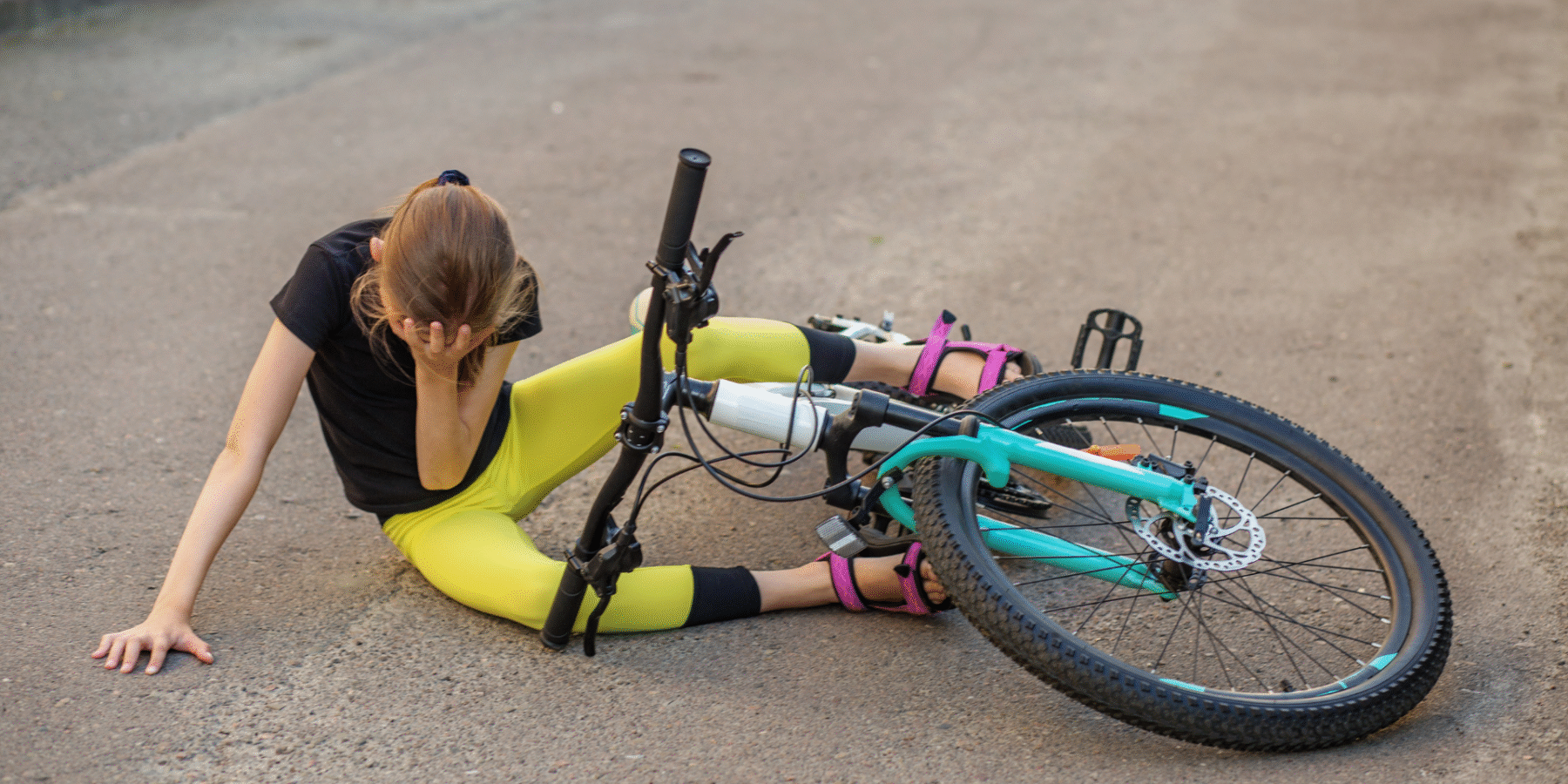
A bicyclist was killed early Friday morning in a hit-and-run crash in Colton, according to a local news source. The collision occurred at about 4 a.m. Friday at the intersection of Riverside Avenue and Key Street, where a 27-year-old man riding his bicycle was struck by a vehicle, authorities said. First responders arrived at the scene and found the victim suffering severe injuries; he was later pronounced dead at the scene, police reported. The driver fled before officers arrived, and no suspect has been publicly identified. The Colton Police Department’s Major Accident Investigation Team is now handling the case, and detectives are urging anyone with information to contact law enforcement as the investigation continues.
This fatal Colton hit-and-run crash underscores the extreme vulnerability bicyclists face when sharing the road with motor vehicles, particularly during early morning hours when visibility may be limited. When a driver flees the scene after striking a cyclist, families are left not only grieving a sudden loss but also struggling with unanswered questions and a search for accountability. Hit-and-run collisions often require detailed investigations to identify the responsible party and determine exactly how the crash occurred. Our California bicycle accident attorneys at the Law Offices of Larry H. Parker understands how devastating these incidents can be and the importance of pursuing justice. Our team remains committed to conducting thorough investigations and advocating for those affected by serious bicycle accidents. Call us today at (866) 578-8031 to discuss your case.
Why Legal Support Matters After a Colton Bicycle Crash
A Colton bicycle crash can leave victims and their families facing overwhelming medical, financial, and emotional challenges, and at Larry H. Parker, we understand how complex these cases can become. We recognize that bicycle collisions often involve serious injuries due to the limited protection cyclists have against larger vehicles. Our team works to thoroughly investigate the circumstances surrounding the crash, review traffic camera footage, analyze police reports, and identify all responsible parties. By gathering strong evidence early, we position our clients to pursue the compensation they need for medical expenses, lost income, and long-term care.
We know that insurance companies may attempt to minimize payouts or shift blame onto injured cyclists. That is why we take an active role in managing communications, evaluating settlement offers, and preparing cases for litigation when necessary. Our firm is committed to advocating for injured bicyclists and their families with diligence and determination. Through careful preparation and persistent representation, we strive to protect our clients’ rights and help them move forward after a devastating collision. We remain focused on building strong, evidence-based claims that reflect the full impact of the crash on our clients’ lives and future stability.
Who Can Be Held Liable in a Colton Bicycle Crash?
Determining liability after a Colton bicycle crash requires a careful evaluation of the facts, the applicable traffic laws, and the actions of everyone involved. Bicycle collisions often involve more than a single negligent act, especially when roadway design, vehicle maintenance, or employer policies contribute to the incident. Identifying all responsible parties remains essential to securing full and fair compensation. A thorough liability analysis helps ensure that injured cyclists do not bear financial burdens caused by another party’s misconduct. By examining each potential source of fault, victims strengthen the foundation of their legal claim.
Negligent Drivers
Motor vehicle drivers frequently bear primary responsibility in serious bicycle collisions. Drivers have a duty to operate their vehicles safely, remain attentive, and share the road with cyclists. When a driver speeds, fails to yield, or engages in distracted driving, the risk of collision increases significantly. Even momentary inattention can cause devastating injuries to an unprotected rider. Establishing driver negligence often begins with reviewing police reports and eyewitness accounts.
Distracted or Impaired Driving
Distracted driving remains a leading cause of bicycle crashes throughout California. Drivers who text, adjust navigation systems, or engage in other distractions reduce their ability to respond to cyclists. Impaired driving due to alcohol or drugs further compromises reaction time and judgment. Toxicology results and phone records may provide critical evidence in these situations. Demonstrating impairment or distraction can significantly strengthen a liability claim.
Employers of At-Fault Drivers
When a driver causes a crash while performing job-related duties, the employer may also share responsibility. Under California law, employers can be held liable for negligent acts committed within the scope of employment. Delivery drivers, rideshare operators, and commercial vehicle drivers often operate under company policies and supervision. If the crash occurred during work hours or while completing assigned tasks, the employer may face legal exposure. Identifying employment relationships expands the potential sources of compensation.
Negligent Hiring or Supervision
In some cases, employer liability extends beyond vicarious responsibility. Companies may fail to conduct proper background checks or ignore prior driving violations. Inadequate training or poor supervision can also contribute to unsafe conduct on the road. Employment records and internal policies often reveal whether safety standards were followed. Evidence of negligent oversight may support additional claims against the employer.
Government Entities Responsible for Roadway Conditions
Hazardous roadway conditions sometimes contribute to a Colton bicycle crash. Poorly maintained streets, inadequate signage, or dangerous intersections can create unreasonable risks for cyclists. Local or state government agencies may bear responsibility for maintaining safe roadways. However, claims against public entities involve strict deadlines and procedural requirements. Prompt investigation helps preserve the right to pursue such claims.
Defective Road Design or Maintenance Issues
Potholes, uneven pavement, and obscured traffic signals may directly contribute to a collision. Inadequate bike lane markings or poorly designed intersections can also increase accident risks. Maintenance records and engineering assessments often help determine whether design flaws existed. Demonstrating that a known hazard went unaddressed may support liability against the responsible agency. Careful documentation remains essential in these cases.
Vehicle or Equipment Manufacturers
In certain situations, mechanical failure plays a central role in causing a crash. Defective brakes, steering components, or other vehicle systems may prevent drivers from stopping in time. Bicycle equipment defects, including faulty frames or braking systems, may also contribute. Product liability claims require technical analysis and expert evaluation. When manufacturing or design defects exist, injured cyclists may pursue compensation from the responsible company.
Failure to Warn or Recall Defects
Manufacturers must provide adequate warnings about known safety risks associated with their products. If a company fails to issue a timely recall or disclose known defects, liability may increase. Internal testing documents and recall notices often provide important evidence. Demonstrating that a defect directly contributed to the crash strengthens a product liability claim. Holding manufacturers accountable promotes safer vehicle and equipment standards.
How California Traffic Laws Impact a Colton Bicycle Crash Claim
California traffic laws play a central role in determining liability and compensation after a Colton bicycle crash. These laws define the duties that motorists and cyclists must follow when sharing public roadways. When a driver violates a traffic statute and causes injury, that violation may serve as strong evidence of negligence. At the same time, cyclists must also comply with applicable roadway rules to preserve the strength of their claims. Understanding how these legal standards apply helps injured riders evaluate their options and anticipate potential defenses.
Right-of-Way Rules for Cyclists and Drivers
California law grants bicyclists the same rights and responsibilities as motor vehicle drivers in most roadway situations. Drivers must yield to cyclists when required by stop signs, traffic signals, and marked crosswalks. Failure to yield frequently contributes to serious intersection collisions involving bicycles. When a motorist disregards right-of-way laws, that violation may establish fault in a personal injury claim. Police reports and traffic citations often provide important documentation of these violations.
The Three-Feet for Safety Act
Under California’s Three-Feet for Safety Act, drivers must maintain at least three feet of clearance when passing a bicyclist. If traffic conditions prevent a safe three-foot buffer, drivers must slow down and pass only when it becomes safe to do so. Violations of this rule often result in sideswipe collisions or force cyclists off the roadway. Evidence of unsafe passing may significantly strengthen a Colton bicycle crash claim. Witness statements and roadway measurements frequently help establish whether adequate clearance existed.
Speeding and Basic Speed Law Violations
California’s basic speed law requires drivers to operate vehicles at speeds that remain reasonable for roadway and weather conditions. Even if a driver travels below the posted speed limit, excessive speed under certain conditions may still violate the law. Speeding reduces reaction time and increases stopping distance, which creates heightened risk for cyclists. When a crash occurs in heavy traffic or low visibility conditions, speed often becomes a key factor. Event data recorders and accident reconstruction analysis may help determine whether a driver traveled too fast.
Failure to Adjust for Traffic and Visibility
Drivers must adjust their behavior when traffic congestion or poor lighting affects roadway safety. Early morning and nighttime conditions often reduce visibility for both motorists and cyclists. When drivers fail to slow down or remain alert, they increase the likelihood of striking a rider. Courts frequently consider whether a reasonable driver would have taken additional precautions. Demonstrating a failure to adjust for conditions may support a finding of negligence.
Distracted and Impaired Driving Laws
California prohibits texting while driving and restricts handheld device use behind the wheel. Violations of distracted driving statutes often contribute directly to bicycle collisions. Impaired driving laws also prohibit operating a vehicle under the influence of alcohol or drugs. When a driver violates these laws and causes injury, the violation may serve as compelling evidence in a civil claim. Phone records and toxicology reports frequently play a critical role in proving such misconduct.
Negligence Per Se in Traffic Violations
When a driver violates a traffic safety statute designed to prevent harm, courts may apply a doctrine known as negligence per se. This legal principle allows the statutory violation itself to establish a presumption of negligence. For example, failing to yield or unlawfully passing too closely may qualify under this doctrine. However, the injured cyclist must still demonstrate that the violation directly caused the crash. Establishing negligence per se can significantly strengthen a claim.
Comparative Fault and Cyclist Responsibilities
California follows a pure comparative fault system, which means compensation may be reduced if the cyclist shares partial responsibility. Cyclists must obey traffic signals, use proper lighting at night, and ride in the correct direction of traffic. If a rider violates these rules, the defense may argue that the conduct contributed to the crash. Courts evaluate the percentage of fault assigned to each party when determining damages. Even if a cyclist bears partial responsibility, recovery remains available under comparative fault principles.
Helmet Use and Injury Severity Considerations
While adults are not legally required to wear helmets in every circumstance, helmet use may influence injury-related arguments. Defense attorneys sometimes argue that failure to wear protective gear contributed to the severity of injuries. Courts examine whether helmet use would have prevented or reduced specific harm. Medical expert testimony often addresses these questions in detail. Understanding these nuances helps injured cyclists prepare for potential defenses.
Compensation Available After a Colton Bicycle Crash
A Colton bicycle crash can result in significant physical injuries, emotional distress, and unexpected financial hardship for victims and their families. Because cyclists lack the structural protection that motor vehicles provide, collisions often lead to severe or long-term medical consequences. California law allows injured bicyclists to pursue compensation when another party’s negligence caused the crash. The total amount of recovery depends on the severity of injuries, the clarity of liability, and the overall impact on the victim’s life. Understanding the types of compensation available helps injured riders evaluate the full scope of their claim.
Medical Expenses and Ongoing Treatment Costs
Medical expenses often represent the largest portion of a bicycle crash claim. Victims may require emergency transportation, hospital stays, diagnostic imaging, surgical procedures, and prescription medications. In addition, many injuries demand follow-up care such as physical therapy, pain management, or specialist consultations. Compensation may include both current medical bills and reasonably anticipated future treatment costs. Thorough documentation of medical care helps establish the financial impact of the crash.
Future Medical Needs and Rehabilitation
Serious injuries such as traumatic brain injuries or spinal cord damage may require long-term rehabilitation. Some victims need assistive devices, home modifications, or ongoing in-home medical support. Physicians and medical experts often provide projections regarding future treatment requirements. These evaluations help ensure that settlement negotiations account for lasting health consequences. Careful planning protects victims from accepting compensation that falls short of future needs.
Lost Wages and Reduced Earning Capacity
Injured bicyclists frequently miss work while recovering from their injuries. Compensation may include wages lost during hospitalization, rehabilitation, and medical appointments. When injuries limit a person’s ability to return to the same job, additional recovery may address diminished earning capacity. Vocational experts sometimes assess how permanent limitations affect long-term income potential. Accurate wage documentation supports a stronger financial claim.
Loss of Career Advancement Opportunities
Some injuries prevent victims from pursuing promotions or career growth they reasonably expected before the crash. Physical restrictions or cognitive impairments may alter long-term employment prospects. These losses can extend well beyond immediate missed paychecks. Courts consider evidence of career trajectory and professional advancement when evaluating damages. Comprehensive analysis ensures that future economic harm receives proper attention.
Pain and Suffering Damages
Not all losses from a bicycle crash appear on medical bills or payroll records. Pain and suffering damages compensate victims for physical discomfort, emotional distress, and diminished quality of life. Chronic pain, anxiety about riding again, and disruption of daily activities often follow serious collisions. California law recognizes the personal toll of these non-economic injuries. Testimony from the injured person and medical providers often supports these claims.
Emotional Trauma and Psychological Impact
Bicycle crashes may leave victims with lasting psychological effects such as post-traumatic stress or depression. Fear of traffic or recurring flashbacks can interfere with normal routines. Mental health treatment and counseling may become necessary for recovery. These emotional consequences deserve consideration alongside physical injuries. A thorough claim reflects both visible and invisible harm.
Property Damage and Out-of-Pocket Expenses
Compensation may also cover damage to the bicycle and related equipment such as helmets, clothing, and electronic devices. High-quality bicycles and gear often represent significant financial investments. In addition, victims may incur transportation costs, home care expenses, or other out-of-pocket losses during recovery. Documenting receipts and repair estimates supports reimbursement efforts. Addressing these additional costs ensures a more complete financial recovery.
Wrongful Death Damages in Fatal Cases
When a Colton bicycle crash results in loss of life, surviving family members may pursue wrongful death damages. These claims may include funeral expenses, loss of financial support, and loss of companionship. The emotional and economic consequences of a fatal collision often affect families for years. California law allows eligible relatives to seek accountability through civil action. Careful evaluation of family circumstances helps determine the appropriate scope of recovery.
How Hit-and-Run Incidents Complicate a Colton Bicycle Crash
A Colton bicycle crash becomes significantly more complex when the at-fault driver leaves the scene without stopping to provide assistance or identification. Hit-and-run incidents often delay medical aid, disrupt evidence collection, and create additional emotional distress for injured cyclists and their families. Without an immediately identified driver, victims may struggle to determine how to pursue compensation for medical bills and other losses. Law enforcement investigations play a critical role in locating the responsible party, yet those efforts may take time. These added challenges require a strategic and thorough approach to protect the injured cyclist’s legal rights.

Delays in Identifying the At-Fault Driver
When a driver flees the scene, investigators must rely on witness statements, surveillance footage, and physical evidence to identify the vehicle involved. This process may involve reviewing nearby traffic cameras or canvassing surrounding businesses for security recordings. The absence of immediate identification can slow the claims process and create uncertainty for victims seeking financial recovery. In some cases, partial license plate information or vehicle descriptions help narrow the search. Prompt reporting and cooperation with investigators increase the likelihood of locating the responsible driver.
The Role of Witnesses and Surveillance Footage
Witnesses often provide essential details regarding the direction of travel, vehicle type, or driver behavior before impact. Surveillance footage may capture images that confirm witness accounts or reveal additional information. However, video evidence may be erased if not requested quickly. Acting swiftly to preserve footage strengthens the overall case. Comprehensive evidence collection remains especially important in hit-and-run situations.
Insurance Challenges After a Hit-and-Run
Hit-and-run collisions frequently complicate insurance claims because the at-fault driver’s policy information is not immediately available. Injured cyclists may need to rely on uninsured motorist coverage under their own auto insurance policies. This type of coverage may apply even if the victim was riding a bicycle at the time of the crash. Filing an uninsured motorist claim often requires careful documentation of injuries and proof that the other driver fled. Insurance carriers may scrutinize these claims closely, which makes thorough preparation essential.
Proving the Driver Fled the Scene
To qualify for certain insurance benefits, the victim must demonstrate that the collision resulted from a hit-and-run driver. Police reports documenting the driver’s departure without identification often serve as critical evidence. Statements from witnesses may further confirm that the driver failed to stop as required by law. Consistent and timely documentation strengthens the credibility of the claim. Clear proof of a hit-and-run incident supports both insurance recovery and potential criminal prosecution.
How Personal Injury Attorneys in San Bernardino Provide Support After a Serious Bicycle Crash
A serious bicycle crash in the San Bernardino area can leave injured riders facing extensive medical treatment, lost income, and uncertainty about their legal options. In the aftermath of a collision, victims often struggle to balance physical recovery with insurance communications and mounting expenses. Personal injury attorneys provide structured guidance that helps protect a cyclist’s rights while building a strong claim for compensation. Through careful investigation and strategic advocacy, legal professionals work to ensure that injured bicyclists are not left navigating complex legal systems alone. Early support often makes a meaningful difference in preserving evidence and strengthening a case.
Conducting a Thorough Investigation
A comprehensive investigation lays the groundwork for a successful bicycle injury claim. Attorneys gather police reports, review traffic collision diagrams, and examine photographs from the crash scene. They also seek surveillance footage from nearby businesses or traffic cameras when available. Prompt evidence collection helps prevent the loss of critical information. Detailed investigation allows attorneys to construct a clear and accurate account of how the crash occurred.
Interviewing Witnesses and Securing Statements
Witness testimony often provides valuable insight into driver behavior before the collision. Attorneys contact witnesses quickly to preserve accurate recollections of the event. Clear and consistent statements can help establish liability when fault is disputed. In some cases, expert accident reconstruction specialists analyze these accounts alongside physical evidence. Coordinated witness documentation strengthens the overall claim.
Managing Insurance Communications
Insurance companies frequently begin investigations shortly after a reported bicycle crash. Adjusters may request recorded statements or attempt to resolve claims quickly for reduced amounts. Personal injury attorneys manage these communications to protect clients from unfair settlement tactics. By organizing medical records and damage documentation, attorneys present well-supported demands for compensation. Strategic negotiation often improves the likelihood of a fair outcome.
Evaluating Settlement Offers Carefully
Early settlement offers may not fully reflect the long-term impact of a serious bicycle injury. Attorneys analyze proposed settlements in light of ongoing medical care and projected future expenses. They also consider non-economic damages such as pain and diminished quality of life. Careful evaluation ensures that short-term financial pressure does not result in inadequate recovery. Thoughtful negotiation supports more equitable resolutions.
Calculating the Full Scope of Damages
Bicycle crash injuries often extend beyond immediate emergency treatment and require continued rehabilitation. Attorneys review medical evaluations, therapy plans, and specialist reports to assess long-term needs. They also document lost wages and potential reductions in future earning capacity. Comprehensive damage calculations provide a clearer understanding of the crash’s total financial impact. Accurate assessment strengthens both negotiation and litigation efforts.
Addressing Long-Term and Catastrophic Injuries
Severe bicycle crashes may result in traumatic brain injuries, spinal cord damage, or multiple fractures. These conditions can require extended medical care and lifestyle adjustments. Attorneys work with medical experts to estimate future treatment costs and necessary accommodations. Detailed projections ensure that compensation accounts for ongoing support needs. Addressing long-term consequences remains essential in serious injury cases.
Preparing for Litigation When Necessary
Although many bicycle crash claims resolve through settlement, some cases require formal litigation to achieve fair compensation. Attorneys prepare every case with the expectation that it may proceed to court. This preparation includes organizing evidence, identifying expert witnesses, and developing persuasive legal arguments. Strong preparation often encourages meaningful settlement discussions. If trial becomes necessary, experienced representation ensures effective courtroom advocacy.
Representing Clients Through Every Stage of the Process
Personal injury attorneys guide clients through filings, depositions, and court appearances with clarity and organization. They explain legal procedures in understandable terms and provide consistent updates on case progress. Clear communication reduces uncertainty and builds confidence during challenging circumstances. By maintaining focus and preparation at each stage, attorneys help injured bicyclists pursue accountability and financial recovery after a serious crash.
Contact an Experienced Colton Bicycle Crash Lawyer Today
After a serious bicycle collision, having experienced legal guidance can make a meaningful difference in how your case moves forward. At Larry H. Parker, we understand the physical pain, emotional distress, and financial pressure that often follow a devastating crash. We take the time to listen to your story, evaluate the details of the incident, and develop a strategy tailored to your specific needs. Our team works diligently to gather evidence, consult with experts when necessary, and pursue full compensation for medical expenses, lost wages, and other damages. Throughout the process, we remain committed to protecting your rights and advocating for your best interests.
Our team at Larry H. Parker believes injured bicyclists deserve strong representation, consistent guidance, and clear communication during every stage of the legal process. From the initial investigation through settlement negotiations or, if necessary, trial, we stand beside our clients with focus, preparation, and determination. We carefully evaluate medical records, analyze liability evidence, and calculate the full scope of damages to ensure no detail is overlooked. Our firm has built a longstanding reputation for fighting on behalf of injury victims across California, and we bring that same level of commitment and strategic advocacy to every Colton bicycle crash case we handle. If you or a loved one has been injured in a bicycle collision, call the Law Offices of Larry H. Parker today at (866) 578-8031 or fill out our online form to discuss your case.
Contact usfor a free consultation.
Phone: (310) 736-6869