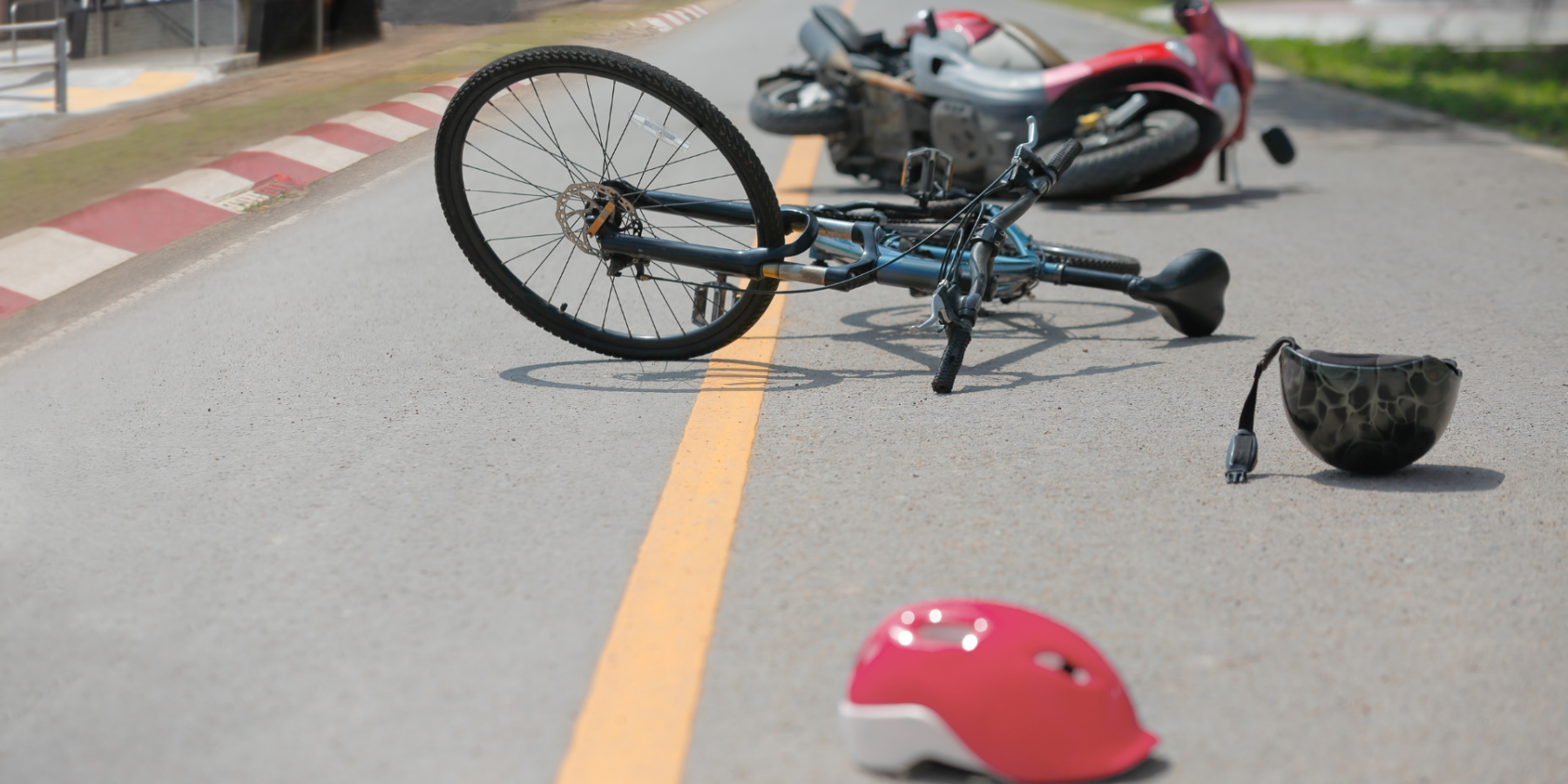
A bike accident lawyer in Palmdale can provide valuable guidance after a hit-and-run collision, especially when the at-fault driver leaves the scene before exchanging information. These cases often involve unique legal and insurance challenges, but injured cyclists still have options for pursuing compensation. Promptly gathering evidence, documenting injuries, and understanding your legal rights may strengthen your claim. Even when the responsible driver remains unidentified, other sources of recovery may still be available depending on the circumstances. Learning how these claims work allows injured cyclists to make informed decisions during a difficult time.
Recovering from a serious bicycle accident often involves physical pain, financial stress, and uncertainty about what comes next. Larry H. Parker has helped injured Californians navigate complex personal injury claims while protecting their legal rights throughout the process. Our team carefully evaluates every case, answers important questions, and works to pursue the compensation our clients deserve. If you were injured in a hit-and-run bicycle accident, call us at (866) 578-8031 to discuss your legal options with our experienced team.
How a Bike Accident Lawyer in Palmdale Can Help You
At Larry H. Parker, our bike accident lawyer in Palmdale understands the unique challenges that arise when a driver leaves the scene after causing a collision. We carefully investigate every aspect of the accident, review available evidence, and identify potential sources of compensation that may still be available. We also communicate with insurance companies, explain every stage of the legal process, and develop strategies tailored to each client’s circumstances. Our goal is to protect our clients’ rights while helping them pursue the financial recovery they need after a serious bicycle accident. Every case receives the attention and preparation it deserves.
Hit-and-run bicycle accident claims often require prompt action to preserve evidence and locate important information before it disappears. We work closely with our clients to gather documentation, review medical records, interview witnesses, and evaluate every available piece of evidence. We also answer questions throughout the case while keeping our clients informed about important developments and legal options. Every decision we make focuses on protecting our clients’ interests and strengthening their claims whenever possible. Thorough preparation frequently places injured cyclists in a stronger position during insurance negotiations or litigation.
Investigating the Hit-and-Run Collision
A thorough investigation often becomes one of the most important steps after a driver leaves the scene of a bicycle accident. Gathering evidence quickly helps preserve valuable information that may otherwise disappear with time. Photographs, surveillance footage, witness statements, and physical evidence may all contribute to understanding how the collision occurred. Investigators may also identify details that help locate the responsible driver or strengthen an insurance claim. Early investigation frequently improves the overall quality of the available evidence.
Collecting Evidence From the Scene
The accident scene may contain valuable evidence that helps explain how the collision occurred. Skid marks, vehicle debris, damaged property, roadway conditions, and photographs often provide important details during an investigation. Gathering this information promptly helps preserve facts before weather, traffic, or cleanup efforts alter the scene. Organized documentation supports a more complete evaluation of the accident. Careful evidence collection benefits every stage of a claim.
Photographs Can Preserve Important Details
Photographs taken immediately after the accident may document vehicle damage, bicycle damage, visible injuries, road conditions, traffic signs, and other important evidence. These images often help recreate the events leading to the collision. Clear visual documentation also assists when reviewing insurance claims or legal proceedings. Preserving these details early may strengthen the overall case.
Speaking With Witnesses
Individuals who witnessed the collision may provide valuable information about the driver’s actions, the direction of travel, or other important details. Witness statements sometimes identify facts that physical evidence alone cannot establish. Gathering contact information promptly allows investigators to follow up while memories remain fresh. Reliable witness testimony often supports a more complete understanding of the accident. Every witness may contribute meaningful information.
Timely Statements Improve Accuracy
Witnesses generally remember events more accurately shortly after an accident occurs. Recording statements promptly reduces the risk that important details will be forgotten over time. Consistent testimony may also strengthen the credibility of the overall claim. Early communication supports a more effective investigation.
Identifying Available Sources of Compensation
Even when a driver cannot immediately be identified, injured cyclists may still have legal and insurance options available. Every case should be evaluated individually to determine which sources of compensation may apply. Insurance policies, uninsured motorist coverage, and other potential avenues may become relevant depending on the facts. Understanding these possibilities helps injured individuals make informed decisions about their claims. Careful legal evaluation often identifies opportunities that may otherwise be overlooked.
Reviewing Insurance Coverage
Insurance policies often contain important provisions that affect recovery following a hit-and-run accident. Reviewing available coverage helps determine whether benefits may apply despite the driver’s absence. Policy language, coverage limits, and applicable exclusions all deserve careful consideration. Understanding insurance options supports more informed decision-making. Every policy should be reviewed thoroughly.
Policy Details Matter
Insurance coverage varies significantly depending on the policy involved. Reading policy language carefully helps clarify available benefits and potential limitations. Understanding these details allows injured individuals to better evaluate their options. Careful review supports stronger claim preparation.
Evaluating Financial Losses
A complete claim often includes more than immediate medical expenses. Lost wages, future treatment costs, rehabilitation expenses, and other damages may also affect the value of a bicycle accident claim. Thorough documentation helps demonstrate the full impact of the injuries. Understanding financial losses supports a more complete evaluation of the claim. Careful documentation benefits every stage of the recovery process.
Keep Financial Records Organized
Maintaining records of medical bills, repair estimates, receipts, and employment information helps document accident-related losses. Organized records simplify claim preparation while supporting discussions with insurance companies. Complete documentation often strengthens the overall case. Good organization benefits long-term recovery efforts.
Building a Strong Bicycle Accident Claim
Building a successful bicycle accident claim requires careful preparation and thorough documentation. Every piece of evidence contributes to explaining how the accident occurred and how the injuries affected the injured cyclist’s life. Medical records, witness statements, photographs, and financial documentation often work together to support the claim. Remaining organized throughout the process helps prevent important information from being overlooked. Careful preparation frequently strengthens the overall case.
Documenting Medical Treatment
Medical records play an important role in demonstrating the nature and extent of accident-related injuries. Seeking prompt medical attention also creates documentation connecting the injuries to the collision. Continuing recommended treatment helps establish an accurate record of recovery. Comprehensive medical documentation supports the evaluation of damages. Organized healthcare records strengthen the claim.
Follow Your Treatment Plan
Attending scheduled appointments and following medical recommendations helps create a consistent record of recovery. Medical providers document ongoing symptoms, treatment progress, and future care needs throughout the healing process. Complete records often become valuable evidence during a claim. Consistent treatment supports both recovery and documentation.
Preserving Important Documents
Accident-related paperwork should remain organized from the beginning of the claim until its conclusion. Medical bills, correspondence, insurance documents, repair estimates, and receipts all contribute valuable information. Keeping these materials together allows them to be located quickly when needed. Organized documentation supports more efficient claim preparation. Careful recordkeeping benefits every stage of the legal process.
Create a Dedicated Claim File
Maintaining one file for every accident-related document helps reduce confusion throughout the claims process. Organized files simplify communication with insurance companies and legal representatives. Complete records also make it easier to track expenses and deadlines. Good organization supports a stronger and more efficient claim.
How a Bike Accident Lawyer in Palmdale Investigates Hit-and-Run Collisions

A hit-and-run bicycle accident often leaves injured cyclists with many unanswered questions, especially when the at-fault driver cannot immediately be identified. A thorough investigation helps uncover important facts, preserve valuable evidence, and determine what legal options may be available after the collision. Every investigation begins with carefully reviewing the circumstances surrounding the accident while identifying information that may help establish liability. Acting quickly often improves the chances of locating evidence before it disappears or becomes unavailable. A detailed investigation frequently provides the foundation for building a stronger injury claim.
No two hit-and-run accidents are exactly alike, which is why every investigation requires an individualized approach based on the available evidence. Physical evidence, witness statements, surveillance footage, medical records, and accident reports may all contribute to understanding how the collision occurred. Reviewing every available source of information allows investigators to identify important details that might otherwise be overlooked. Careful preparation also helps injured cyclists understand their legal rights and available options moving forward. Thorough investigations often strengthen both insurance claims and potential legal actions.
Examining the Accident Scene
The accident scene often contains valuable evidence that helps explain how the collision occurred and what factors contributed to the crash. Investigators carefully review roadway conditions, traffic control devices, debris, vehicle damage, bicycle damage, and any physical evidence remaining at the scene. Even small details may help establish how the driver approached the collision or the direction in which the vehicle traveled afterward. Preserving this evidence as quickly as possible reduces the risk that weather, traffic, or cleanup efforts will eliminate important information. A careful examination frequently becomes one of the most valuable parts of the investigation.
Documenting Physical Evidence
Physical evidence provides objective information that may support witness statements and accident reports. Tire marks, broken bicycle components, damaged personal property, and scattered vehicle parts often help investigators reconstruct the sequence of events. Measuring and photographing these items creates a permanent record before conditions change. Organized documentation also allows experts to review the evidence later if necessary. Every piece of physical evidence deserves careful attention.
Small Details Can Make a Difference
Minor pieces of evidence sometimes provide important clues regarding the identity of the vehicle or the circumstances surrounding the collision. A broken mirror, paint transfer, or damaged headlight fragment may connect a specific vehicle to the accident. Preserving these materials allows investigators to compare them with other available evidence. Careful documentation often strengthens the overall investigation.
Evaluating Roadway Conditions
Roadway design, lighting, weather, visibility, and traffic patterns may all influence how a bicycle accident occurred. Investigators examine whether construction zones, poor lighting, obstructed views, or hazardous road conditions contributed to the collision. Understanding the surrounding environment helps create a more complete picture of the incident. These observations may also explain why certain events unfolded during the accident. Thorough scene evaluation supports a more accurate reconstruction.
Environmental Conditions Should Be Recorded
Documenting weather conditions, road surfaces, and traffic signals immediately after the collision helps preserve important facts. Conditions may change quickly, making early documentation especially valuable. Accurate records provide useful context when reviewing other evidence later. Organized observations contribute to a stronger investigation.
Reviewing Surveillance Footage
Video evidence often provides some of the strongest information available following a hit-and-run collision. Investigators identify nearby businesses, traffic cameras, residential security systems, and other potential video sources that may have captured the accident or the fleeing vehicle. Obtaining footage promptly remains important because many recording systems automatically overwrite stored video after a short period. Reviewing available recordings may reveal the vehicle’s direction of travel, identifying features, or the sequence of events leading to the collision. Video evidence frequently plays an important role in complex investigations.
Searching Nearby Cameras
Businesses, homes, parking facilities, and public intersections sometimes have surveillance systems that record nearby traffic. Investigators identify these locations and request available footage before it is deleted. Multiple camera angles may provide additional details unavailable from a single recording. Reviewing every available source helps create a more complete timeline. Early action often improves the likelihood of obtaining useful footage.
Timing Is Critical
Many surveillance systems automatically erase recordings after several days unless someone preserves the footage. Prompt requests help ensure important video remains available for review. Delays may result in valuable evidence being permanently lost. Acting quickly often benefits the overall investigation.
Analyzing Video Evidence
After footage is collected, investigators review it carefully for details that may identify the vehicle or explain how the collision occurred. Visible damage, license plate information, vehicle color, travel direction, and driver behavior may all become important. Comparing footage from multiple locations sometimes allows investigators to track the vehicle beyond the accident scene. Careful analysis often uncovers valuable information that supports the claim. Every recording deserves detailed review.
Multiple Videos May Tell the Full Story
Different cameras often capture separate portions of the accident or the vehicle’s route after leaving the scene. Combining these recordings may create a more complete understanding of what occurred. Reviewing multiple sources also helps verify important facts. Comprehensive analysis strengthens the investigation.
Interviewing Witnesses
Witnesses often provide valuable observations that cameras or physical evidence cannot capture. Individuals who saw the collision may remember details regarding the vehicle, driver, speed, or actions immediately before and after the accident. Speaking with witnesses promptly helps preserve accurate recollections before memories begin to fade. Every statement contributes additional context that may support the investigation. Reliable witness information frequently strengthens the overall case.
Gathering Detailed Statements
Investigators encourage witnesses to explain exactly what they observed without speculation or assumptions. Specific details regarding vehicle descriptions, traffic signals, and driver actions often become especially valuable. Recording statements early also helps preserve consistency throughout the legal process. Accurate witness accounts complement other available evidence. Careful interviews improve the quality of the investigation.
Independent Witnesses Can Be Important
Witnesses who have no personal connection to either party may provide particularly helpful information during a hit-and-run investigation. Their observations often help verify other evidence collected throughout the case. Independent accounts also strengthen confidence in the factual record. Every credible witness deserves careful consideration.
Following Up With Witnesses
Some witnesses remember additional information after reflecting on the events or reviewing photographs of the accident scene. Follow-up interviews allow investigators to clarify earlier statements and gather newly remembered details. Maintaining communication also helps ensure witnesses remain available if additional proceedings occur later. Thorough follow-up contributes to a more complete investigation. Ongoing communication supports accurate fact gathering.
Organized Records Improve Reliability
Maintaining detailed records of witness interviews helps preserve consistency throughout the investigation. Organized notes also allow investigators to compare statements with other available evidence. Careful documentation supports a more reliable factual record. Good organization benefits every stage of the claim.
Reviewing Official Records
Official reports frequently provide valuable information that supplements physical evidence and witness statements. Police reports, emergency response records, photographs, and dispatch logs may all contribute to understanding the circumstances surrounding the collision. Reviewing these records carefully helps identify additional leads while confirming important facts. Organized documentation also supports future insurance or legal proceedings. Official records remain an important part of every comprehensive investigation.
Examining the Police Report
Police reports often summarize witness statements, officer observations, roadway conditions, and preliminary findings regarding the accident. Reviewing this information carefully helps identify potential inconsistencies or additional evidence that may require further investigation. The report also provides a useful starting point for evaluating the overall case. Complete review supports informed legal analysis. Every report deserves careful examination.
Compare the Report With Other Evidence
Police reports should be reviewed alongside photographs, witness statements, and physical evidence to ensure the available information remains consistent. Differences between various sources sometimes identify issues requiring additional investigation. Comparing evidence helps build a more complete understanding of the accident. Careful review strengthens the overall claim.
Organizing Every Piece of Evidence
Successful investigations rely on maintaining organized records throughout the claims process. Photographs, reports, witness information, medical records, and insurance documents should remain easily accessible as the case progresses. Organized files simplify communication and make it easier to respond when additional information becomes necessary. Careful recordkeeping also reduces the risk of overlooking important evidence. Strong organization supports a thorough and effective investigation.
Maintaining a Complete Investigation File
Keeping every document related to the accident in one organized location helps preserve the integrity of the investigation. Well-organized files allow investigators to quickly locate important information when preparing insurance claims or legal filings. Consistent documentation also improves communication throughout the case. Thorough organization provides lasting value from the beginning of the investigation through its resolution.
How Uninsured Motorist Coverage May Apply After a Hit-and-Run Bicycle Accident
A hit-and-run bicycle accident creates unique challenges because the at-fault driver may never be identified or located. Even under those circumstances, injured cyclists may still have options for pursuing financial recovery through uninsured motorist coverage. This type of insurance may provide benefits when a responsible driver cannot be identified or lacks applicable insurance coverage. Understanding how uninsured motorist coverage works helps injured individuals make informed decisions while evaluating their legal and insurance options. Every policy contains different terms, making careful review an important part of the claims process.
Although uninsured motorist coverage can provide an important source of financial recovery, obtaining benefits often requires substantial documentation and compliance with insurance policy requirements. Insurance companies may request evidence demonstrating how the collision occurred, the extent of the injuries, and the connection between the accident and the claimed damages. Gathering this information early often strengthens the claim while reducing unnecessary delays. Understanding the claims process also helps injured cyclists prepare for questions that may arise during the insurance investigation. Thorough preparation frequently improves the overall handling of the claim.
Understanding Uninsured Motorist Coverage
Uninsured motorist coverage is designed to provide financial protection when an injured person cannot recover compensation from the at-fault driver. In hit-and-run bicycle accidents, this coverage may become particularly important if the driver leaves the scene and cannot be identified. Depending on the insurance policy, uninsured motorist benefits may help address medical expenses, lost income, and other covered damages. Every policy contains specific terms that determine when coverage applies. Reviewing those provisions carefully helps clarify available benefits.
Coverage Depends on the Insurance Policy
Every insurance policy contains its own definitions, exclusions, and coverage limits. These provisions determine whether uninsured motorist benefits apply to a particular bicycle accident and what losses may be covered. Reading the policy carefully helps injured cyclists understand their rights and responsibilities before filing a claim. Questions regarding policy language should be addressed as early as possible. Understanding the available coverage supports more informed decision-making.
Policy Language Should Be Reviewed Carefully
Small differences in policy wording may affect how uninsured motorist coverage applies to a particular accident. Coverage requirements, notice provisions, and reporting deadlines often appear within the policy documents. Reviewing these provisions thoroughly helps avoid misunderstandings during the claims process. Careful analysis supports better preparation.
Hit-and-Run Accidents May Qualify
Many uninsured motorist policies include provisions addressing accidents involving unidentified drivers. If the circumstances satisfy the policy requirements, coverage may become available even though the driver cannot be located. Eligibility depends on the facts of the accident and the language contained within the insurance contract. Understanding these requirements allows injured cyclists to better evaluate their available options. Every claim deserves individual review.
Documentation Remains Important
Even when the at-fault driver cannot be identified, insurance companies generally require documentation supporting the claim. Medical records, police reports, photographs, witness statements, and other evidence may help establish what occurred. Organized documentation often strengthens the claim by providing a clear record of the accident. Thorough preparation benefits every stage of the insurance process.
Reporting the Accident Promptly
Promptly reporting a hit-and-run bicycle accident often plays an important role when pursuing uninsured motorist benefits. Insurance policies frequently require policyholders to provide timely notice after an accident occurs. Delays in reporting may complicate the investigation or create additional questions regarding the claim. Providing accurate information early allows the insurance company to begin reviewing the available evidence. Timely reporting also helps preserve important documentation while events remain fresh.
Notify Law Enforcement
Reporting the accident to law enforcement creates an official record that may become valuable during the insurance claims process. Officers may document roadway conditions, witness information, visible damage, and other facts relevant to the collision. This report often serves as one of several important pieces of evidence reviewed by insurance companies. Accurate reporting helps preserve critical information. Official documentation supports a more complete investigation.
The Police Report Provides Important Context
Although a police report does not determine the outcome of an insurance claim, it often contains valuable factual information regarding the accident. Investigators may review the report alongside photographs, witness statements, and medical records. Comparing multiple sources of evidence helps create a more complete understanding of the collision. Organized records strengthen the overall claim.
Notify the Insurance Company
Providing timely notice to the insurance company allows the claims process to begin while evidence remains available. Accurate reporting also helps the insurer understand the basic facts surrounding the accident. Individuals should provide truthful information while preserving documentation supporting the claim. Early communication often reduces unnecessary delays during the investigation. Prompt reporting supports a more efficient claims process.
Keep Records of Every Communication
Maintaining copies of emails, letters, claim forms, and notes from telephone conversations helps create a clear record throughout the claim. Organized communication records also make it easier to respond if questions arise later. Careful documentation supports effective claim management. Good organization benefits the entire process.
Gathering Evidence to Support the Claim
Evidence often plays a significant role in determining whether uninsured motorist benefits apply after a hit-and-run bicycle accident. Insurance companies typically review available documentation to evaluate how the collision occurred and the damages being claimed. Gathering evidence promptly helps preserve important information before it disappears. Thorough documentation also helps explain the circumstances surrounding the accident more clearly. Every piece of relevant evidence contributes to the overall claim.
Medical Records Document Injuries
Medical records provide important documentation regarding the injuries sustained during the accident and the treatment received afterward. Prompt medical evaluation also creates a timeline connecting the injuries to the collision. Ongoing treatment records help demonstrate the recovery process and future medical needs. Comprehensive healthcare documentation supports the evaluation of damages. Accurate medical records strengthen the claim.
Continue Following Medical Recommendations
Following recommended treatment allows healthcare providers to document recovery consistently over time. Missed appointments or interruptions in treatment may create unnecessary questions regarding the extent of the injuries. Consistent care benefits both physical recovery and claim documentation. Thorough medical records provide valuable support throughout the insurance process.
Witness Statements Strengthen the Investigation
Witnesses may provide valuable information regarding how the collision occurred or the actions of the fleeing driver. Their observations sometimes confirm details that physical evidence alone cannot establish. Gathering witness statements while memories remain fresh helps preserve accurate information. Reliable testimony often supports the overall credibility of the claim. Every witness may contribute meaningful evidence.
Independent Witnesses Can Be Especially Helpful
Individuals who have no personal interest in the outcome of the claim often provide objective observations regarding the accident. Their testimony may reinforce other evidence gathered during the investigation. Consistent witness accounts frequently strengthen the factual record. Careful interviews contribute to a more complete investigation.
Understanding the Insurance Investigation
Once a claim is submitted, the insurance company generally begins its own investigation to evaluate coverage and determine the extent of any potential benefits. This review may include examining medical records, accident reports, photographs, witness statements, and other supporting documentation. Insurance representatives may also request additional information while evaluating the claim. Understanding this process helps injured cyclists prepare for the steps ahead. Thorough cooperation and organized documentation often improve the efficiency of the investigation.
The Insurance Company Reviews Available Evidence
Insurance adjusters evaluate the evidence submitted with the claim to determine whether the policy applies and whether the claimed damages are supported by the available documentation. They may compare multiple sources of information before reaching preliminary conclusions. Organized evidence allows the investigation to proceed more efficiently. Complete documentation benefits every stage of the review process. Careful preparation supports accurate claim evaluation.
Consistency Helps Support the Claim
When medical records, witness statements, photographs, and accident reports consistently describe the collision, the insurance company often gains a clearer understanding of the facts. Consistent documentation reduces unnecessary confusion and helps explain how the injuries occurred. Maintaining accurate records throughout the claim remains important. Strong documentation supports more effective claim presentation.
Additional Information May Be Requested
Insurance companies sometimes request supplemental documentation while reviewing uninsured motorist claims. Medical updates, employment records, repair estimates, or additional witness information may become relevant depending on the circumstances. Responding promptly to reasonable requests helps keep the investigation moving forward. Organized records make these responses much easier. Careful preparation supports efficient communication.
Stay Organized Throughout the Process
Keeping every accident-related document in a dedicated file allows injured cyclists to locate information quickly whenever questions arise. Organized records also simplify communication with insurance representatives throughout the investigation. Consistent recordkeeping reduces unnecessary delays and helps preserve important evidence. Good organization benefits the claim from beginning to end.
Contact an Experienced Bike Accident Lawyer in Palmdale Today

Recovering after a hit-and-run bicycle accident can be challenging, but you do not have to navigate the legal process alone. At Larry H. Parker, we understand the physical, emotional, and financial burdens these accidents often create for injured cyclists and their families. We carefully investigate every case, explain your legal options, and work diligently to pursue the compensation available under California law. Our team remains committed to providing responsive communication, personalized guidance, and dedicated representation throughout every stage of your claim. We work tirelessly to protect our clients’ rights while helping them move forward with confidence.
Every bicycle accident presents unique facts that deserve careful legal analysis and individualized attention. We take the time to answer questions, review available evidence, and develop strategies designed to pursue the best possible outcome for every client. Our commitment to preparation and advocacy allows us to address complex legal issues while keeping our clients informed throughout the process. We remain focused on protecting your interests from beginning to end. Call us at (866) 578-8031 or reach out online today to schedule your free consultation.
Contact usfor a free consultation.
Phone: (310) 736-6869