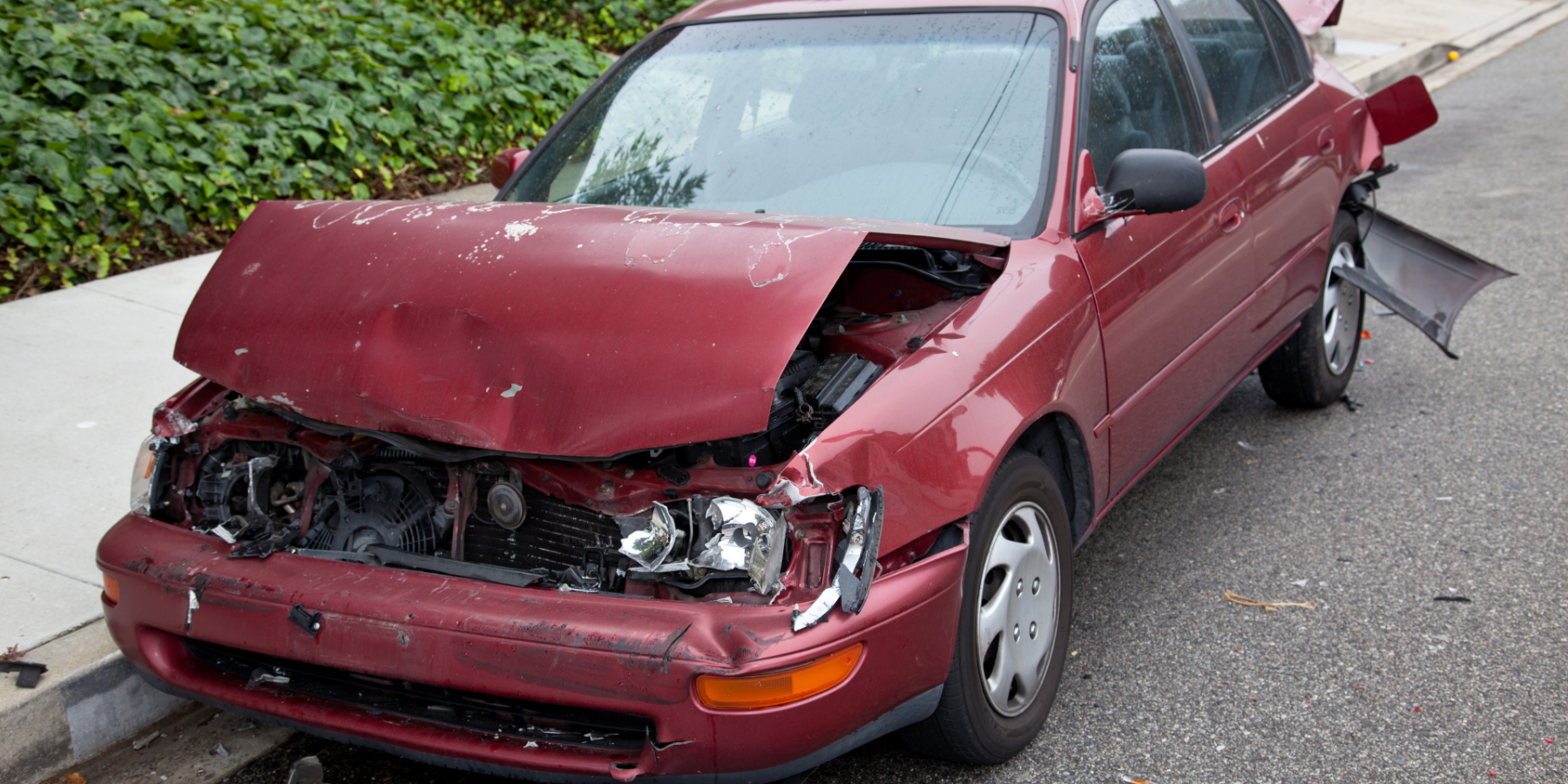
A woman suffered serious injuries after her vehicle reportedly left the roadway and plunged down an embankment along Lone Pine Canyon Road in Phelan last week, according to local news. Emergency responders worked quickly to reach the crash scene before the victim was airlifted to a nearby trauma center for advanced medical care, according to Victor Valley News Group. Incidents involving vehicles leaving the roadway often require extensive investigations to determine whether speeding, hazardous road conditions, distracted driving, mechanical failure, or another factor contributed to the collision. Victims and their families frequently face overwhelming medical expenses, lost income, and uncertainty while trying to recover from a devastating accident.
Serious crashes can leave injured individuals wondering how they will pay for treatment, replace lost wages, and move forward after such a traumatic event. At Larry H. Parker Law, we understand the challenges accident victims face after a major collision, and we work tirelessly to help them pursue the compensation they deserve. Our legal team thoroughly investigates every case, gathers important evidence, and advocates aggressively against insurance companies that attempt to minimize valid claims. If you or someone you love suffered injuries in a serious collision, call us at (866) 578-8031 to discuss your legal options with an experienced attorney.

Why Trust a Phelan Car Crash Lawyer
At Larry H. Parker Law, our experienced Phelan car crash lawyer team understands how quickly a serious collision can disrupt every aspect of your life. We know injured victims often face mounting medical bills, extended recovery periods, insurance disputes, and financial uncertainty while trying to heal. Our attorneys investigate accident scenes, obtain critical evidence, consult with experts when necessary, and build strong claims designed to maximize available compensation. We remain committed to protecting our clients’ rights throughout every stage of the legal process while providing clear communication and dependable guidance.
We believe every client deserves dedicated legal representation focused on achieving the best possible outcome. Our team negotiates aggressively with insurance companies and prepares every case as though it may proceed to trial if a fair settlement cannot be reached. We work to recover compensation for medical expenses, lost wages, pain and suffering, future treatment needs, and other damages supported by the evidence. Throughout your case, we remain available to answer questions, explain your options, and provide the trusted advocacy you deserve.

Why Evidence Matters in a Phelan Vehicle Collision Case
Strong evidence often serves as the foundation of a successful car accident claim following a serious collision. The quality and availability of evidence may significantly influence how liability is determined and how compensation is calculated. Additionally, preserving important information early helps prevent valuable details from becoming unavailable as time passes. Understanding why evidence matters allows accident victims to better protect their rights throughout the claims process.
Photographs Help Preserve the Accident Scene
Photographs taken shortly after a collision often provide valuable insight into how the accident occurred. Images of vehicle damage, roadway conditions, traffic signs, skid marks, debris, and weather conditions help document the scene before important details change. These photographs also provide visual support during insurance negotiations and legal proceedings. Comprehensive documentation strengthens the overall claim.
Capture Multiple Angles
Photographing the accident scene from different perspectives creates a more complete record of the collision. Wide-angle photographs establish the overall scene while close-up images document specific damage and roadway conditions. Every image may provide useful information during the investigation. Thorough documentation improves the accuracy of the claim.
Preserve Vehicle Damage
Vehicle damage frequently provides important clues regarding the force and direction of impact. Photographs taken before repairs begin help preserve evidence that may become unavailable later. Detailed images also support accident reconstruction efforts when necessary. Careful documentation strengthens liability evaluations.
Police Reports Provide Important Information
Police reports frequently contain valuable observations made shortly after a collision. Officers often document driver statements, witness information, roadway conditions, traffic violations, and preliminary findings regarding the accident. Reviewing these reports helps create a clearer understanding of the events leading to the collision. Official documentation often supports additional evidence gathered during the investigation.
Review the Report Carefully
Every police report should receive careful review after it becomes available. Confirming names, locations, vehicle information, and factual details helps identify possible errors or missing information. Accurate reports improve the reliability of the overall claim. Careful review benefits future case preparation.
Compare the Report With Other Evidence
Police reports represent one important source of information but should not stand alone. Comparing the report with photographs, witness statements, surveillance footage, and physical evidence helps identify consistent facts or conflicting information. Comprehensive reviews strengthen the investigation. Every source contributes valuable context.
Medical Records Connect Injuries to the Collision
Medical documentation helps demonstrate how the accident affected an injured person’s physical and emotional well-being. Emergency treatment records, physician notes, diagnostic imaging, therapy records, and rehabilitation plans all help establish the extent of accident-related injuries. Thorough medical documentation also supports requests for compensation. Complete records strengthen the overall claim.
Follow the Recommended Treatment Plan
Following physician recommendations demonstrates a commitment to recovery while creating consistent medical documentation. Attending appointments, participating in rehabilitation, and completing prescribed treatment help illustrate the progression of injuries. Ongoing care also provides valuable evidence regarding long-term recovery. Consistent treatment supports stronger claims.
Maintain Organized Medical Files
Medical bills, treatment summaries, prescriptions, imaging reports, and therapy records should remain organized throughout recovery. Organized documentation simplifies insurance negotiations and legal proceedings while accurately reflecting the full extent of injuries. Complete records reduce unnecessary delays. Careful organization benefits every stage of the claim.
Witness Statements Can Strengthen a Claim
Independent witnesses often provide objective observations regarding how a collision occurred. Their statements may confirm vehicle movements, traffic conditions, driver behavior, or other important facts before the impact. Collecting witness information early helps preserve reliable testimony while memories remain fresh. Witness accounts frequently strengthen liability determinations.
Identify Witnesses Quickly
Witnesses may become difficult to locate as time passes following a collision. Gathering names, telephone numbers, and contact information shortly after the accident helps preserve valuable testimony. Early communication often produces more accurate recollections. Prompt action benefits the investigation.
Compare Multiple Accounts
Different witnesses may observe different aspects of the collision. Comparing several statements often identifies consistent facts while helping resolve conflicting information. Similar observations frequently increase the credibility of the available evidence. Comprehensive reviews improve the overall case.
Electronic Evidence Continues Growing in Importance
Modern technology provides additional sources of evidence following serious vehicle collisions. Surveillance cameras, dashboard cameras, mobile phone photographs, and electronic records frequently provide objective information regarding how an accident occurred. Preserving this evidence quickly helps prevent accidental deletion or loss. Digital evidence often supports other investigative findings.
Review Available Video Footage
Nearby businesses, residences, and traffic cameras may capture important moments leading to a collision. Reviewing available footage helps investigators evaluate vehicle speeds, traffic signals, driver actions, and roadway conditions. Video recordings often clarify disputed facts. Early preservation improves availability.
Protect Digital Files
Electronic evidence should remain stored securely throughout the claims process. Creating backup copies helps prevent accidental loss while maintaining the original files whenever possible. Organized digital records simplify future access during negotiations or litigation. Proper preservation supports a stronger claim.
Common Injuries Sustained in Phelan Motor Vehicle Accidents
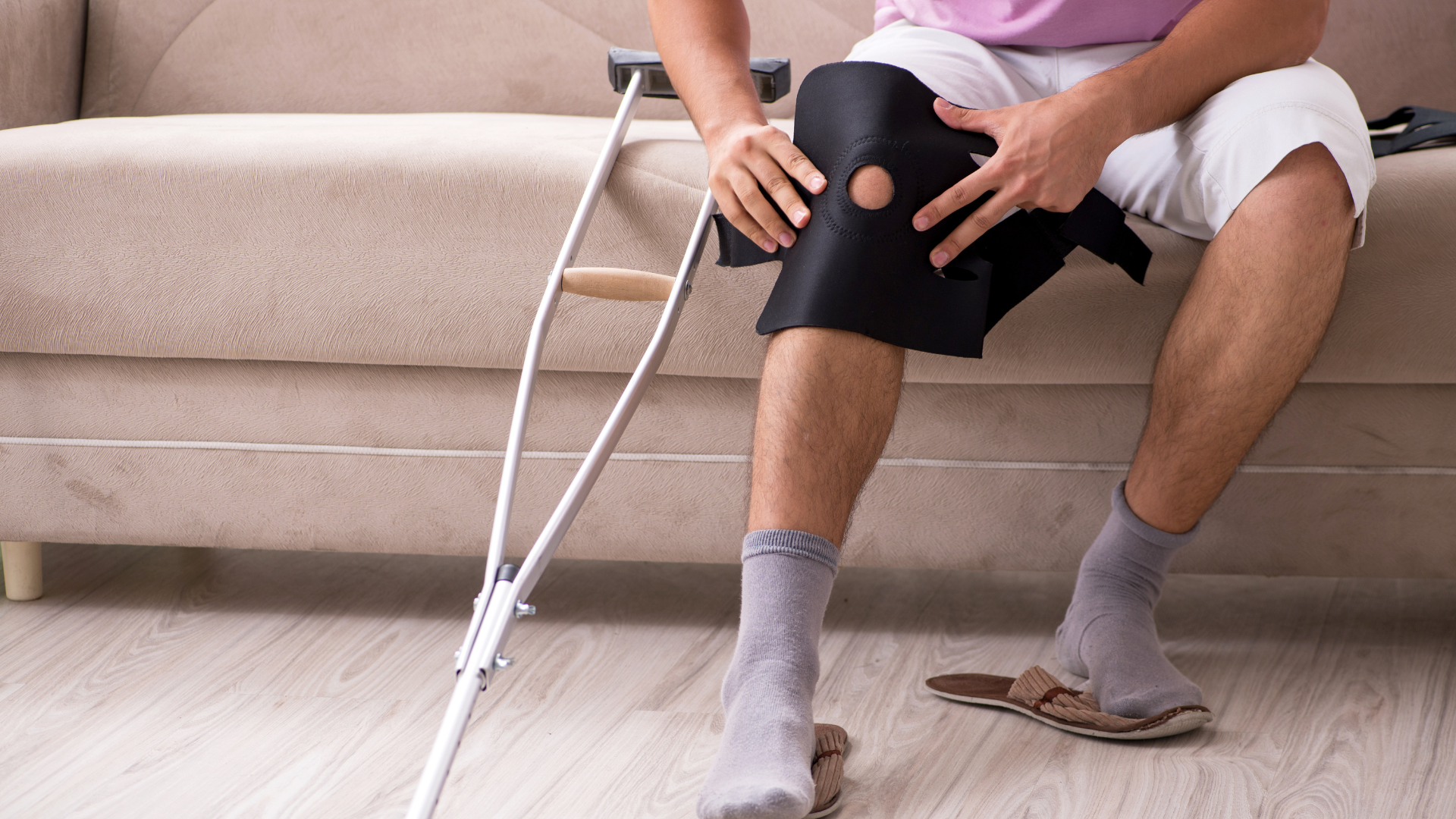
Motor vehicle accidents can cause injuries ranging from relatively minor conditions to life-changing physical impairments. The severity of an injury often depends on vehicle speed, impact angle, seat belt use, and numerous other factors. Additionally, some injuries may not produce immediate symptoms despite requiring prompt medical attention. Understanding the most common accident-related injuries helps individuals recognize the importance of early evaluation and continued treatment.
Head and Brain Injuries
Head injuries frequently occur during serious vehicle collisions, even when occupants wear seat belts and airbags deploy properly. Impacts with steering wheels, windows, headrests, or other interior surfaces may result in concussions or more severe traumatic brain injuries. Prompt medical evaluation remains important whenever a head injury is suspected. Early diagnosis supports better treatment planning.
Concussions
A concussion may occur after a sudden impact or violent movement of the head during a collision. Symptoms sometimes include headaches, dizziness, confusion, nausea, memory difficulties, and sensitivity to light or noise. Some symptoms develop gradually rather than immediately after the accident. Prompt medical evaluation helps identify appropriate treatment.
Monitor Symptoms Carefully
Concussion symptoms may worsen during the hours following a collision. Ongoing observation allows healthcare providers to identify changes requiring additional evaluation or treatment. Reporting new symptoms promptly supports recovery. Consistent monitoring remains important throughout healing.
Traumatic Brain Injuries
More severe head trauma may produce long-term cognitive, physical, and emotional challenges. Traumatic brain injuries sometimes require extended hospitalization, rehabilitation, and specialized medical care. Recovery varies depending on the severity of the injury. Early intervention often improves long-term outcomes.
Long-Term Effects
Traumatic brain injuries may affect memory, concentration, communication, and daily functioning for months or years. Some individuals also experience ongoing emotional or behavioral changes following serious head trauma. Continued treatment helps address these lasting challenges. Comprehensive care supports recovery.
Neck and Back Injuries
The force of a vehicle collision frequently places significant stress on the neck and spine. Sudden movements during impact may damage muscles, ligaments, discs, nerves, or vertebrae. These injuries often require ongoing medical treatment and rehabilitation. Prompt diagnosis helps guide appropriate care.
Whiplash
Whiplash commonly occurs when the head moves rapidly forward and backward during a collision. Many individuals experience neck pain, stiffness, headaches, reduced mobility, and shoulder discomfort afterward. Symptoms sometimes appear hours after the accident. Medical evaluation helps determine appropriate treatment.
Continue Follow-Up Care
Recovery from whiplash may require physical therapy, medication, and continued medical monitoring. Following treatment recommendations helps improve mobility while documenting ongoing symptoms. Consistent care also supports the overall injury claim. Complete records remain valuable.
Spinal Injuries
Serious collisions may result in herniated discs, fractured vertebrae, spinal cord injuries, or other significant back conditions. These injuries sometimes require surgery, rehabilitation, or long-term medical management. Recovery may continue for many months. Comprehensive treatment remains essential.
Protect Long-Term Health
Following medical recommendations carefully helps reduce the risk of additional complications during recovery. Ongoing therapy and regular evaluations allow physicians to monitor healing over time. Consistent treatment also supports future medical planning. Long-term care often plays an important role.
Broken Bones and Orthopedic Injuries
Broken bones frequently result from the tremendous force generated during motor vehicle accidents. Arms, legs, ribs, wrists, ankles, and collarbones commonly sustain fractures depending on the nature of the collision. Many orthopedic injuries require surgery, immobilization, rehabilitation, and lengthy recovery periods. Prompt treatment helps improve healing.
Fractures
Fractures vary from simple breaks requiring immobilization to complex injuries involving multiple bone fragments. Physicians evaluate each fracture carefully before determining the most appropriate treatment plan. Recovery time depends on the severity and location of the injury. Early treatment supports better outcomes.
Rehabilitation After Fractures
Physical therapy often becomes necessary after fractures begin healing. Rehabilitation helps restore strength, flexibility, mobility, and overall function following extended immobilization. Following therapy recommendations supports continued improvement. Consistent rehabilitation promotes recovery.
Soft Tissue Injuries
Not every serious injury appears on an X-ray or imaging study immediately after a collision. Damage to muscles, tendons, ligaments, and connective tissues frequently causes lasting pain and limited movement. Soft tissue injuries sometimes require weeks or months of treatment. Proper diagnosis remains important.
Muscle and Ligament Damage
Sprains, strains, and torn ligaments often occur during sudden impacts. Pain, swelling, bruising, and reduced mobility may interfere with everyday activities throughout recovery. Medical evaluations help determine appropriate treatment options. Early care supports healing.
Document Ongoing Symptoms
Maintaining records of pain levels, mobility limitations, and treatment progress helps demonstrate how soft tissue injuries affect daily life. These records also complement medical documentation during the claims process. Consistent updates strengthen injury documentation. Thorough records support recovery.
Emotional and Psychological Injuries
Serious vehicle accidents may also produce emotional injuries that continue long after physical wounds begin healing. Anxiety, depression, sleep disturbances, and post-traumatic stress symptoms sometimes develop following traumatic collisions. Mental health deserves the same attention as physical recovery. Comprehensive care addresses every aspect of healing.
Emotional Recovery
Emotional healing often takes time following a serious accident. Counseling, therapy, and other mental health services may help individuals manage stress and adjust during recovery. Early treatment supports long-term emotional well-being. Mental health care remains an important part of overall recovery.
Seek Help When Needed
Emotional symptoms should never be ignored following a traumatic collision. Speaking with qualified healthcare professionals helps individuals receive appropriate care while documenting the psychological effects of the accident. Comprehensive treatment supports both recovery and future well-being.
Why Acting Quickly After a Phelan Car Accident Can Strengthen Your Claim
The actions taken during the hours and days following a serious car accident can significantly affect the strength of an injury claim. Important evidence may disappear quickly, witness memories may fade, and insurance companies often begin investigating immediately after a collision. Additionally, prompt action helps establish a clear connection between the accident and the injuries sustained. Understanding why acting quickly matters allows injured individuals to better protect their legal rights while preparing for the claims process.
Seek Medical Attention Without Delay
Receiving prompt medical care should remain the first priority after any motor vehicle accident. Some injuries may not produce immediate symptoms, even though they require timely treatment to prevent additional complications. Early medical evaluations also create important records connecting injuries directly to the collision. Prompt treatment benefits both recovery and the overall injury claim.
Identify Hidden Injuries
Not every injury becomes noticeable immediately after a crash. Concussions, internal injuries, soft tissue damage, and spinal conditions sometimes develop symptoms gradually during the following hours or days. Receiving a comprehensive medical evaluation helps identify these conditions before they worsen. Early diagnosis often improves treatment outcomes.
Continue Following Medical Advice
Recovery often requires more than an initial emergency room visit. Attending follow-up appointments, participating in rehabilitation, and following physician recommendations help document the full extent of accident-related injuries. Consistent treatment also demonstrates an ongoing commitment to recovery. Complete medical records strengthen the claim.
Create a Clear Medical Timeline
Medical documentation establishes an organized record of injuries from the beginning of treatment through recovery. Physician notes, diagnostic testing, prescriptions, and therapy records help explain how the accident affected daily life. Maintaining this timeline provides valuable evidence throughout the claims process. Thorough documentation supports more accurate damage evaluations.
Keep Medical Records Organized
Medical bills, appointment summaries, imaging reports, and prescription records should remain organized throughout recovery. Complete documentation simplifies insurance discussions while accurately reflecting the cost of treatment. Organized files also reduce unnecessary delays during claim preparation. Careful recordkeeping strengthens the overall case.
Preserve Valuable Evidence
Evidence collected shortly after a collision often becomes some of the strongest support for an injury claim. Accident scenes change quickly as damaged vehicles are removed, debris is cleared, and roadway conditions return to normal. Preserving evidence immediately helps capture important details before they disappear. Early documentation strengthens liability investigations.
Photograph the Accident Scene
Photographs provide valuable visual evidence showing vehicle damage, roadway conditions, traffic signs, skid marks, debris, and visible injuries. Taking photographs from several different angles creates a more complete record of the collision. These images often help explain how the accident occurred. Thorough documentation supports future negotiations.
Document Vehicle Damage
Vehicle damage frequently provides important information regarding impact forces and the sequence of the collision. Photographing every damaged area before repairs begin preserves valuable evidence for later review. Detailed images may also assist accident reconstruction professionals. Proper documentation benefits the investigation.
Preserve Personal Property
Personal belongings damaged during the collision may also support an injury claim. Eyeglasses, mobile phones, child safety seats, clothing, and other personal items should remain preserved whenever possible. Photographs and receipts help establish their condition and value. Organized evidence contributes to a more complete claim.
Save Electronic Evidence
Dashboard camera recordings, surveillance footage, mobile phone photographs, and electronic communications should remain backed up immediately after the accident. Many digital recordings are automatically deleted after a short period. Preserving these files early helps protect valuable evidence. Proper storage supports future claim development.
Gather Witness Information
Independent witnesses often provide valuable observations regarding how a collision occurred. Their statements may clarify disputed facts involving vehicle speeds, traffic signals, or driver actions before the impact. Gathering witness information promptly helps preserve reliable testimony while memories remain fresh. Witness evidence frequently strengthens liability determinations.
Speak With Witnesses Early
Witness recollections naturally become less detailed over time. Obtaining names, telephone numbers, and email addresses shortly after the accident allows investigators to follow up while memories remain accurate. Early communication also reduces the possibility of losing contact with important witnesses. Prompt action benefits the claim.
Compare Multiple Witness Accounts
Different witnesses often observe different parts of a collision. Comparing several independent statements helps identify consistent details while resolving conflicting observations. Similar accounts frequently strengthen the credibility of the available evidence. Comprehensive reviews improve the overall investigation.
Notify the Appropriate Parties
Timely communication following a car accident helps begin the claims process while preserving important legal rights. Reporting the collision appropriately also creates official documentation supporting future insurance and legal proceedings. Accurate reporting reduces unnecessary confusion later. Prompt notification contributes to a more organized claim.
Report the Accident
Law enforcement reports often provide important details regarding roadway conditions, driver statements, witness information, and preliminary observations. Reporting the collision promptly helps preserve these facts while creating an official record of the incident. Police reports frequently become valuable evidence throughout the claims process. Official documentation supports the investigation.
Notify Your Insurance Company
Insurance policies generally require timely notice following an accident. Reporting the collision promptly allows the claim to begin while protecting important policy rights. Providing accurate factual information also helps prevent misunderstandings. Careful communication benefits future claim discussions.
Protect Important Legal Rights
Acting promptly after a collision helps preserve opportunities that may become more limited as time passes. Evidence may disappear, witnesses may become difficult to locate, and important legal deadlines continue approaching regardless of recovery progress. Remaining proactive allows injured individuals to better protect their interests throughout the claims process. Early preparation often contributes to a stronger case.
Stay Organized Throughout the Process
Maintaining organized files for medical records, accident reports, insurance correspondence, receipts, and other documents helps simplify every stage of the claim. Organized information also allows important evidence to remain easily accessible during negotiations or legal proceedings. Consistent organization reduces unnecessary stress throughout recovery. Careful preparation supports stronger case management.
Monitor Important Deadlines
California law establishes deadlines that may affect the ability to pursue compensation after a motor vehicle accident. Keeping track of filing deadlines, medical appointments, and insurance requirements helps prevent avoidable complications. Reviewing these dates regularly supports better long-term planning. Staying organized helps protect important legal rights throughout the claims process.

Contact an Experienced Phelan Car Crash Lawyer Today
Recovering from a serious collision often requires more than medical treatment alone. Victims may face financial hardship, emotional stress, and complicated insurance claims while trying to rebuild their lives. Having experienced legal representation can provide peace of mind and allow you to focus on your recovery while your attorney handles the legal process. Larry H. Parker Law is committed to protecting the interests of injured individuals and pursuing the compensation they need for the future.
Every accident presents unique facts, making personalized legal guidance essential after a serious crash. Our attorneys take the time to understand your circumstances, explain your rights, and develop a strategy tailored to your goals. We are prepared to advocate for you during negotiations and litigation whenever necessary to protect your best interests. Call us at (866) 578-8031 or reach out online today to schedule a free consultation with our experienced legal team.
Contact usfor a free consultation.
Phone: (310) 736-6869