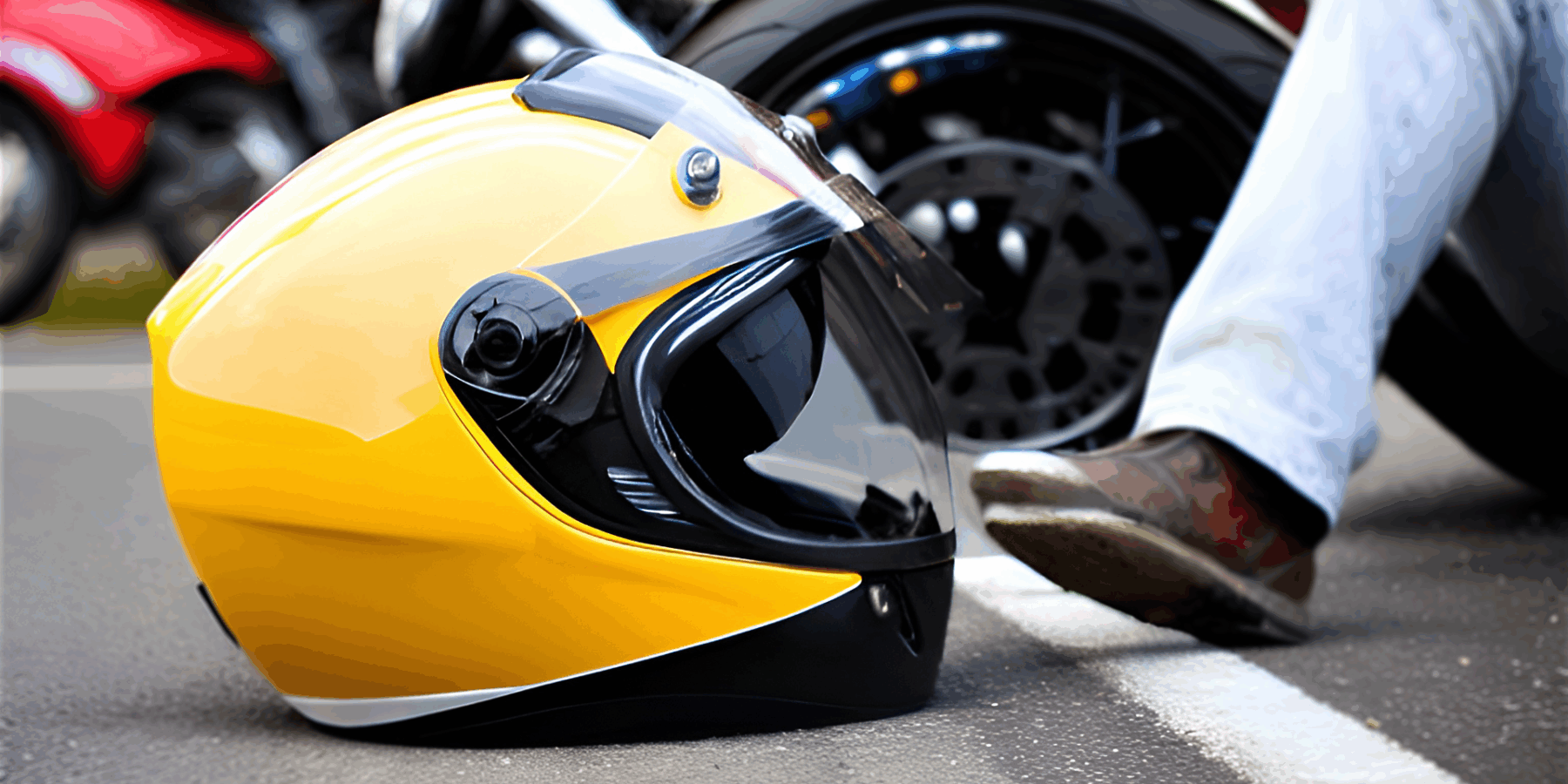
A Rialto motorcycle crash claimed the life of a 53-year-old local man Wednesday afternoon, according to the Rialto Police Department’s press release. The collision was reported around 1:25 p.m. in the 1300 block of North Riverside Avenue, where officers responded to multiple calls involving a motorcycle and another vehicle. When police arrived, they found the motorcyclist, identified as Juan Manuel Alvarez-Flores of Rialto, suffering from critical injuries and immediately began providing aid. However, he later died from his injuries after being transported to a nearby trauma center. The driver of the second vehicle was not injured and that alcohol or drug impairment does not appear to have been a factor in the crash based on the preliminary investigation.
This Rialto motorcycle crash underscores the serious dangers motorcyclists face on busy city streets, where collisions with larger vehicles can result in devastating and often fatal injuries. Motorcycles offer little physical protection, and even a single impact can lead to catastrophic trauma for riders. Families affected by a Rialto motorcycle crash may suddenly be confronted with overwhelming grief, funeral expenses, and unanswered questions about how the collision occurred and who may be responsible. The motorcycle accident lawyers at the Law Offices of Larry H. Parker understand the unique risks riders face and the complexities involved in fatal motorcycle collision cases. Our team is committed to helping families seek clarity, accountability, and justice during an incredibly difficult time. Call us today at (866) 578-8031 to discuss your situation and learn how we can help.
Why Legal Support Matters After a Serious Rialto Motorcycle Crash
A Rialto motorcycle crash can leave riders and their families facing devastating injuries, emotional trauma, and complex legal questions, which is where Larry H. Parker can provide meaningful guidance and support. At Larry H. Parker, we understand that motorcycle collisions often result in far more serious harm than typical vehicle accidents because riders have little protection at the moment of impact. We take the time to carefully review the details of the crash, analyze available evidence, and assess how the collision has affected our clients’ lives, finances, and long-term well-being. Our approach focuses on helping injured riders and grieving families understand their rights while navigating an often overwhelming legal process.
When we handle a Rialto motorcycle crash case, we focus on easing the legal burden so our clients can concentrate on healing and moving forward. We thoroughly examine police reports, witness statements, roadway conditions, and vehicle damage to build a clear and comprehensive picture of what happened. We also evaluate the full scope of losses, including medical expenses, lost income, long-term care needs, and the lasting impact on daily life. At Larry H. Parker, we prioritize clear communication, personal attention, and careful advocacy, ensuring our clients feel supported and informed at every stage of their case.

Common Causes of a Rialto Motorcycle Crash
A Rialto motorcycle crash often occurs due to a combination of driver behavior, roadway conditions, and visibility challenges that disproportionately affect motorcyclists. Because motorcycles are smaller and less visible than passenger vehicles, even minor driving errors by others can result in serious collisions. Understanding the most common causes helps explain why these crashes happen and how they may be prevented. Many motorcycle accidents are avoidable when drivers exercise proper caution and awareness.
Failure to Yield to Motorcyclists
One of the most frequent causes of motorcycle crashes involves other drivers failing to yield the right of way. This often happens at intersections, during left turns, or when vehicles enter traffic without properly checking for motorcycles. Drivers may misjudge a motorcycle’s speed or fail to notice it altogether. These errors can lead to sudden and severe impacts.
Left-Turn and Intersection Collisions
Left-turn collisions are especially dangerous for motorcyclists. A vehicle turning left across traffic may strike an oncoming motorcycle with little warning. Intersections require heightened awareness from all drivers. Failure to properly yield in these situations frequently results in serious crashes.
Distracted or Inattentive Driving
Distracted driving plays a significant role in many motorcycle crashes. Drivers using mobile devices, adjusting controls, or focusing on passengers may overlook nearby motorcycles. Even brief distractions can prevent timely reactions. In urban areas like Rialto, distraction-related crashes remain a persistent concern.
Poor Visibility and Blind Spot Issues
Motorcycles can easily fall into vehicle blind spots, especially during lane changes or merges. Drivers who fail to check mirrors carefully may collide with a rider. Poor lighting or heavy traffic can further reduce visibility. Awareness of blind spots is critical for crash prevention.
Speeding and Aggressive Driving
Excessive speed reduces reaction time and increases crash severity. Aggressive behaviors such as tailgating or unsafe passing place motorcyclists at heightened risk. When a collision occurs at high speed, injuries are often catastrophic. Speed-related crashes remain a major factor in motorcycle fatalities.
Injuries Commonly Seen in a Rialto Motorcycle Crash
Injuries resulting from a Rialto motorcycle crash are often severe due to the limited protection motorcycles provide. Riders are directly exposed to impact forces, roadway surfaces, and surrounding vehicles. Even with protective gear, injuries can be life-altering. Understanding common injury types highlights the seriousness of these collisions.
Traumatic Brain and Head Injuries
Head injuries are among the most serious outcomes of motorcycle crashes. Traumatic brain injuries can occur even when helmets are worn. These injuries may affect memory, cognition, and emotional regulation. Long-term medical care is often required.
Concussions and Closed Head Trauma
Concussions may not present immediate symptoms but can worsen over time. Closed head injuries can disrupt normal brain function. Early diagnosis is critical. Ongoing monitoring is often necessary.
Spinal Cord and Neck Injuries
Motorcycle crashes frequently involve violent forces that affect the spine and neck. Herniated discs, spinal fractures, or spinal cord damage may occur. These injuries can result in chronic pain or paralysis. Recovery timelines are often lengthy.
Permanent Mobility Limitations
Severe spinal injuries may lead to long-term or permanent mobility issues. Daily activities and employment may be affected. Adaptive care or assistive devices may be required. These changes can alter quality of life significantly.
Broken Bones and Road Rash
Fractures to arms, legs, ribs, and pelvis are common in motorcycle crashes. Riders may also suffer severe abrasions known as road rash. These injuries can require surgery and extended recovery. Infection risk may be present.
How Fault Is Determined After a Rialto Motorcycle Crash
Determining fault after a Rialto motorcycle crash requires a detailed and methodical evaluation of how the collision occurred and what actions each party took leading up to the impact. Fault determinations play a central role in insurance decisions, liability assessments, and any potential legal claims that may follow. Because motorcycle crashes often involve serious injuries and conflicting accounts, investigators must rely on objective evidence rather than assumptions or stereotypes about riders. A thorough investigation helps ensure responsibility is assigned based on facts and circumstances.
Fault is rarely determined by a single factor alone. Instead, investigators analyze multiple elements together, including driver behavior, traffic laws, road conditions, and physical evidence from the scene. This comprehensive approach helps clarify accountability and reduces the risk of inaccurate conclusions.
Reviewing Driver Behavior and Traffic Violations
Driver behavior is one of the most significant factors in determining fault after a motorcycle crash. Investigators examine whether any driver violated traffic laws such as speeding, failing to yield, running a red light, or making unsafe lane changes. These violations often indicate negligence when they directly contribute to a collision. Reviewing driver conduct before, during, and immediately after the crash helps establish a clearer sequence of events.
Statements from drivers, witnesses, and responding officers are often compared with physical evidence to assess credibility. Inconsistencies between statements and evidence may raise questions about fault. Clear documentation of unsafe driving behavior strengthens fault determinations.
Assessing Right-of-Way and Signal Compliance
Failure to yield the right of way is a common cause of motorcycle crashes, particularly at intersections. Investigators evaluate whether traffic signals, stop signs, or yield signs were obeyed at the time of the collision. Signal timing, visibility, and intersection layout may also be reviewed. Witness testimony or video footage can help confirm whether a driver entered an intersection unlawfully.
Right-of-way violations are especially significant because motorcycles are often less visible to other drivers. Proper compliance with traffic signals plays a central role in fault analysis when collisions occur during turns or cross-traffic movements.
Evaluating Speed and Following Distance
Excessive speed or following too closely can reduce reaction time and increase crash severity. Investigators may analyze skid marks, vehicle damage, and electronic data to estimate speed before impact. Tailgating or aggressive driving behavior can contribute to fault findings. These factors are carefully reviewed in motorcycle collision cases.
Examining Roadway and Environmental Conditions
Roadway and environmental conditions are also considered when determining fault after a Rialto motorcycle crash. Factors such as potholes, uneven pavement, loose gravel, or roadway debris can affect motorcycle stability. Poor lighting, weather conditions, or obstructed signage may further limit visibility and reaction time. These elements provide important context for understanding how the crash occurred.
While environmental factors do not automatically excuse negligent driving, they may influence how drivers were expected to respond under the circumstances. Investigators evaluate whether drivers adjusted their behavior appropriately given the conditions.
Assessing Visibility and Line of Sight
Visibility plays a critical role in motorcycle safety. Investigators consider whether drivers had a clear line of sight or whether obstacles such as parked vehicles, trees, or buildings obstructed views. Lighting conditions at the time of the crash are also reviewed. Reduced visibility may explain delayed reactions or missed observations.
Evaluating Road Design and Maintenance Issues
In some cases, road design or maintenance issues may contribute to a crash. Poorly marked lanes, faded striping, or inadequate signage can increase risk for motorcyclists. Investigators may review whether roadway conditions met safety standards. These considerations may influence broader liability analysis.
Analyzing Physical and Forensic Evidence
Physical evidence from the crash scene often provides objective insight into how the collision unfolded. Investigators examine skid marks, debris patterns, vehicle resting positions, and damage to the motorcycle and other vehicles. This evidence helps reconstruct speed, direction, and points of impact. Physical evidence often corroborates or contradicts driver statements.
Damage patterns on a motorcycle can be particularly telling, as they may show whether the rider was struck from the side, rear, or head-on. Accurate interpretation of this evidence supports clearer fault determinations.
Use of Accident Reconstruction Techniques
In more complex cases, accident reconstruction techniques may be used to analyze the crash. These methods rely on physics, measurements, and data analysis to recreate events. Reconstruction helps clarify timing and movement. This analysis can be especially important when accounts differ.
Comparative Fault Considerations
In some Rialto motorcycle crashes, more than one party may share responsibility. Comparative fault principles allow liability to be divided based on each party’s contribution to the collision. For example, a driver may have failed to yield while a motorcyclist was traveling slightly above the speed limit. This approach reflects the complexity of real-world driving situations.
Fault percentages can influence insurance outcomes and compensation evaluations. Understanding that responsibility may be shared helps set realistic expectations for all parties involved.
How Shared Fault Affects Claims and Outcomes
When fault is shared, recovery may depend on the degree of responsibility assigned. Evidence is used to support proportional fault assessments. This process emphasizes accuracy rather than blame. Clear documentation remains critical in shared fault cases.
Evidence That Can Support a Rialto Motorcycle Crash Claim
Strong evidence is essential when evaluating a Rialto motorcycle crash claim, particularly when injuries are severe or liability is disputed. Evidence helps establish how the crash occurred, which actions contributed to it, and who may be legally responsible. Because motorcycle accidents often involve conflicting accounts or assumptions about rider behavior, objective proof becomes especially important. Early collection and careful organization of evidence improves reliability and strengthens overall credibility.
Physical Evidence From the Crash Scene
Physical evidence gathered at the crash scene provides objective insight into the mechanics of the collision. Photographs of vehicle damage, skid marks, debris, and roadway conditions help document how the crash unfolded. This evidence can reveal speed, direction of travel, and points of impact. Because scenes can change quickly once vehicles are moved or cleaned up, early documentation is critical.
Roadway Conditions and Environmental Factors
Road conditions such as potholes, loose gravel, uneven pavement, or debris can play a significant role in motorcycle crashes. Environmental factors like lighting, weather, and visibility are also examined. Documenting these conditions helps explain how stability or reaction time may have been affected. These details provide important context when evaluating fault.
Debris Patterns and Final Resting Positions
The location of debris and where vehicles come to rest after impact can offer insight into collision dynamics. Debris patterns may indicate the angle of impact or sequence of events. Final resting positions can help reconstruct movement after the crash. These elements often support or challenge driver statements.
Motorcycle and Vehicle Damage Analysis
Damage to the motorcycle and other vehicles involved can reveal critical information about the collision. Inspecting crumple zones, scrape marks, and impact points helps determine speed, direction, and force. Damage patterns may indicate whether a motorcycle was struck head-on, from the side, or from behind. This analysis plays a key role in fault determination.
Helmet and Protective Gear Inspection
Damage to helmets, jackets, and other protective gear can also provide valuable insight. Scratches, cracks, or impact marks may show how and where a rider made contact. This information can help explain injury patterns. Preserving protective gear helps maintain important evidence.
Documentation and Official Records
Written documentation forms the foundation of many motorcycle crash claims. Police reports summarize officer observations, diagrams, and initial conclusions. Medical records document injuries, treatment, and recovery progression. Consistent documentation helps establish a clear timeline connecting injuries to the crash.
Police Reports and Officer Observations
Police reports often include details about roadway conditions, vehicle positioning, and driver statements. Officers may note citations or suspected violations. While not always definitive, these reports carry significant weight. Reviewing them carefully helps identify key facts.
Medical Records and Treatment History
Medical documentation links injuries directly to the collision. Records show severity, diagnosis, and required care. Follow-up treatment notes help demonstrate long-term impact. Consistent medical care strengthens credibility.
Witness Statements and Independent Accounts
Witnesses can provide valuable perspectives that clarify disputed details. Independent third-party accounts may confirm traffic signal compliance, speed, or driver behavior. Statements collected shortly after the crash are often more reliable. Witness testimony can significantly strengthen a claim.
Passenger and Bystander Observations
Passengers, pedestrians, or nearby motorists may have observed events leading up to the crash. Their accounts can help reconstruct timing and movement. Neutral perspectives often carry added credibility. Collecting contact information early is important.
Surveillance and Digital Evidence
Digital evidence has become increasingly important in motorcycle crash claims. Traffic cameras, nearby business surveillance, or residential security footage may capture the collision or moments before it occurred. This footage provides objective timelines and visual confirmation. When available, video evidence can quickly resolve factual disputes.
Dashcams and Onboard Vehicle Data
Dashcam footage from other vehicles may show lane position, speed, or traffic signal status. Some vehicles also store event data related to braking or acceleration. This information adds another layer of objectivity. Digital data often supports reconstruction efforts.
Mobile Phone and GPS Records
Phone usage or GPS data may help determine whether distraction played a role. Timestamped records can corroborate or contradict statements. This information is sometimes relevant in establishing driver behavior. Digital records help complete the evidentiary picture.
Insurance Challenges After a Rialto Motorcycle Crash
Insurance issues frequently arise after a Rialto motorcycle crash, particularly when fault is disputed or injuries are severe. Motorcycle claims are often reviewed more aggressively than standard vehicle accidents, which can create additional obstacles for injured riders and their families. Insurers may question how the crash occurred, minimize injury severity, or delay claim processing. Understanding these challenges helps explain why motorcycle accident claims can become complex and time-consuming.
Disputes Over Fault and Rider Responsibility
Disagreements about fault are common following a Rialto motorcycle crash, especially when insurers attempt to reduce liability by questioning the rider’s actions. Adjusters may focus on speed, lane position, or rider visibility, even when another driver’s negligence caused the collision. These disputes can stall progress and prolong resolution. Clear and well-documented evidence is often necessary to address fault challenges effectively.
Bias Against Motorcyclists
Some insurers operate under assumptions that motorcyclists are inherently reckless or prone to risky behavior. These biases can influence how claims are evaluated and how fault is assigned. Addressing these misconceptions requires objective evidence such as crash scene documentation, witness statements, and traffic law analysis. A factual presentation helps counter unfair stereotypes.
Comparative Fault Arguments
Insurers may argue that a motorcyclist shares responsibility for the crash, even when the primary cause lies with another driver. Comparative fault claims can reduce potential compensation depending on fault allocation. These arguments often rely on selective interpretations of events. Thorough investigation helps clarify responsibility.
Settlement Delays and Low Initial Offers
Settlement discussions after a Rialto motorcycle crash often begin with offers that do not reflect the full scope of injuries or long-term consequences. Insurers may issue low initial offers in hopes of resolving claims quickly and at lower cost. These offers may overlook future medical needs, lost earning capacity, or lasting pain. Negotiations often require time and persistence to reach fair consideration.
Repeated Requests for Documentation
Insurance companies frequently request additional records during claim evaluation, including updated medical reports or employment documentation. While some requests are legitimate, repeated demands can delay progress. Staying organized helps manage these requests efficiently. Complete documentation supports continuity.
Pressure to Settle Before Recovery Is Complete
In some cases, insurers encourage early settlement before the full extent of injuries is known. Accepting early offers may limit recovery for future medical needs. Understanding the timing of settlement discussions is important. Patience often protects long-term interests.
Managing Policy Limits and Coverage Issues
Motorcycle insurance policies may differ significantly from standard auto policies in terms of coverage limits and available benefits. Riders may have lower liability limits or different uninsured motorist provisions. These variations can affect what compensation is available. Reviewing policy details helps clarify coverage scope.
Coordination With Other Applicable Policies
In some cases, compensation may involve multiple policies, such as another driver’s auto insurance or uninsured motorist coverage. Coordinating between policies can add complexity and delay. Each insurer may have different requirements. Clear organization helps manage overlapping claims.
Challenges With Uninsured or Underinsured Drivers
Motorcycle crashes involving uninsured or underinsured drivers present additional insurance challenges. Victims may need to rely on their own coverage when the at-fault driver lacks sufficient insurance. These situations often involve strict policy conditions. Understanding available options helps explain recovery pathways.
Claim Evaluation Under Uninsured Motorist Coverage
Uninsured motorist claims are still evaluated by insurers, which may dispute fault or injury severity. These claims can resemble third-party disputes despite involving the rider’s own policy. Proper documentation remains essential. Awareness helps set expectations.

How a California Motorcycle Accident Attorney Provides Expert Support
After a serious motorcycle collision, injured riders and their families often face complex legal, medical, and financial challenges. A California motorcycle accident attorney helps individuals navigate the legal process while protecting their rights and interests during a difficult recovery period. Motorcycle accidents frequently involve severe injuries, disputed liability, and misconceptions about rider behavior that require careful handling. Experienced legal support can help bring clarity, organization, and stability when the path forward feels uncertain.
Investigating the Motorcycle Accident Thoroughly
A detailed investigation is a critical part of motorcycle accident representation. Attorneys examine how the collision occurred by reviewing police reports, crash scene evidence, and available witness statements. This process helps identify contributing factors such as driver negligence, roadway hazards, or vehicle defects. A thorough investigation supports accurate liability determinations.
Reviewing Crash Scene Evidence and Vehicle Damage
Physical evidence such as skid marks, debris, and damage to both the motorcycle and other vehicles provides insight into the mechanics of the crash. Attorneys analyze points of impact and roadway conditions to reconstruct events. Photographs and measurements taken at the scene are often reviewed. This evidence helps clarify how the collision unfolded.
Addressing Liability and Countering Bias Against Motorcyclists
Motorcycle accident cases often involve assumptions or bias regarding rider behavior. Attorneys work to address these misconceptions by focusing on facts and evidence rather than stereotypes. Establishing liability requires demonstrating how another party’s actions contributed to the crash. Clear presentation of evidence helps counter unfair narratives.
Evaluating Driver Conduct and Traffic Law Violations
Attorneys assess whether other drivers failed to yield, made unsafe turns, or violated traffic laws. These actions are often central to motorcycle collisions. Evidence of violations strengthens claims of negligence. Careful evaluation helps establish accountability.
Managing Insurance Claims and Communications
Insurance involvement in motorcycle accident cases can be challenging due to disputed fault or injury severity. Attorneys manage communication with insurers to help prevent misstatements or unfair claim practices. They review policy terms and respond to requests for information. This support helps protect injured riders during recovery.
Handling Disputes and Settlement Negotiations
Disagreements over compensation are common in motorcycle accident claims. Attorneys use evidence and documentation to support fair evaluations. Negotiations may involve multiple rounds of discussion. Strategic handling supports more balanced outcomes.
Evaluating Injuries and Long-Term Impact
Motorcycle crashes often result in injuries that require extensive treatment and long-term care. Attorneys review medical records to understand the full scope of injuries. This evaluation includes both immediate treatment and future needs. Understanding long-term impact supports accurate damage assessments.
Accounting for Pain, Suffering, and Lifestyle Changes
Injuries may affect mobility, employment, and daily activities. Attorneys help ensure these changes are documented and considered. Emotional distress and reduced quality of life are also evaluated. Comprehensive assessment supports fair consideration.
Guiding Clients Through the Legal Process
The legal process following a motorcycle accident can involve multiple stages and deadlines. Attorneys explain each step and what to expect. Ongoing guidance helps reduce uncertainty. Clear communication supports informed decision-making.
Preparing for Resolution or Court Proceedings
Some motorcycle accident cases resolve through settlement, while others require litigation. Attorneys prepare clients for both possibilities. Understanding procedures and potential outcomes helps clients feel prepared. Preparation remains essential throughout the case.
Contact an Experienced Rialto Motorcycle Crash Lawyer Today
After a serious motorcycle collision, having experienced legal guidance can make a meaningful difference in how your case progresses and how you begin to rebuild. At Larry H. Parker, we understand that victims of motorcycle crashes are often dealing with severe injuries, mounting medical bills, and uncertainty about the future. Our team takes a compassionate and thorough approach to every case, carefully reviewing the circumstances of the crash and working to understand how it has affected your health, finances, and daily life. We focus on providing clarity and stability during a difficult time while handling the legal complexities on your behalf.
When you choose Larry H. Parker, you gain a legal team committed to protecting your rights and advocating for your best interests at every stage of the process. We emphasize open communication, detailed case preparation, and strong representation so you always know where your case stands and what options are available. Our goal is to help you pursue accountability and fair compensation while allowing you to focus on recovery. If you or a loved one has been injured or lost their life in a Rialto motorcycle crash, contact our skilled team of legal advocates today at (866) 578-8031 or reach out online to schedule a free consultation and learn how we can help you move forward.
Contact usfor a free consultation.
Phone: (310) 736-6869